Nucleus Studio
Summary
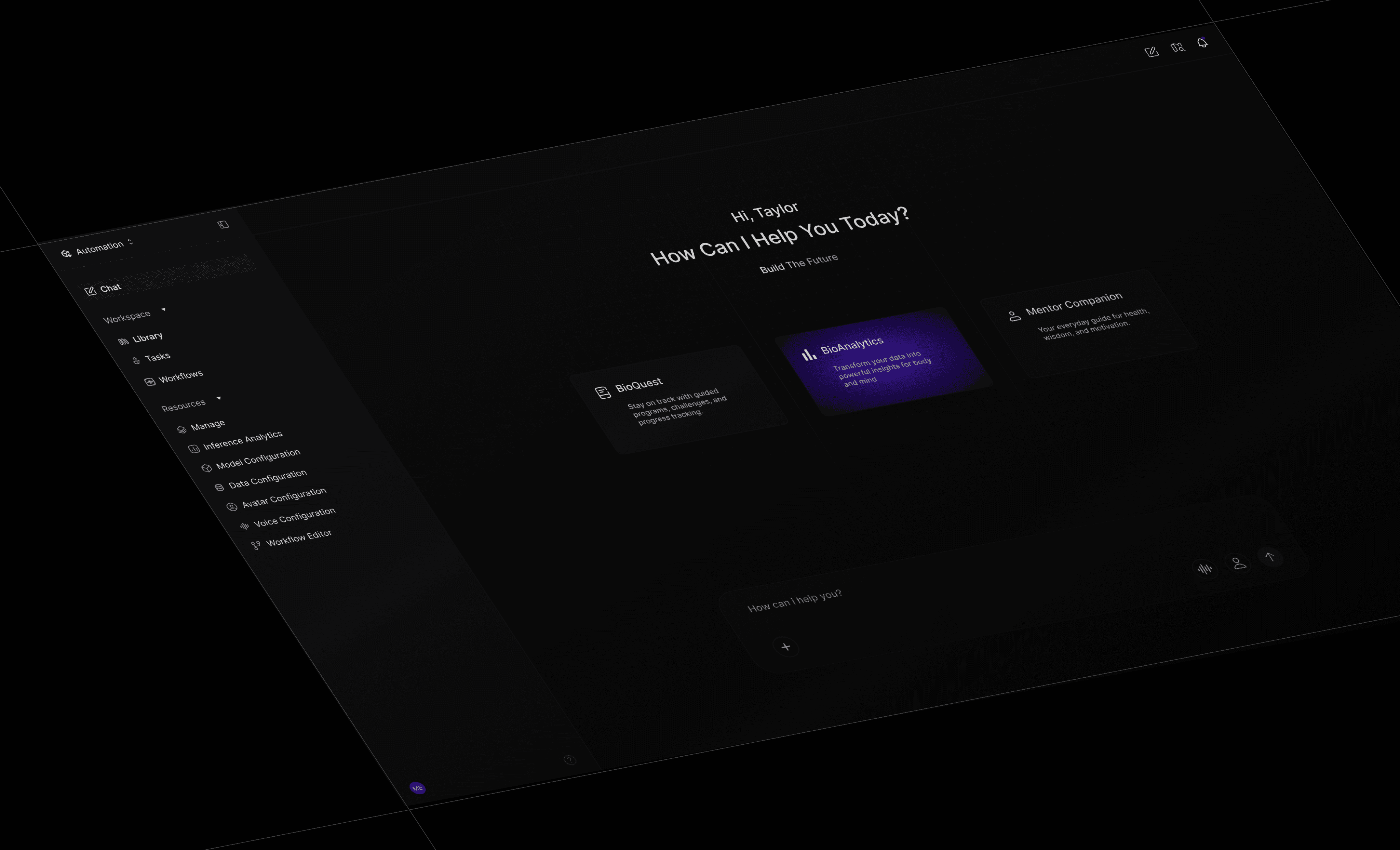
Nucleus Studio is an AI automation platform that lets teams build, test, and deploy intelligent workflows through a layered interface — chat-first for beginners, direct manipulation for advanced users.
Role
Client
Nucleus
Year
2024
0 → 1
Fragmented Workflows Unified.
5+
Core Workflow Stages Compeleted.
25%
Guided workflows with less friction.

Pain Point 2
The Trust Gap
AI-driven automation was treated as a black box. Without visibility into how a workflow reached a decision, teams hesitated to hand over real operational work.


[002]
Solutions
01
-66% tool switching (3→1)
One Unified Interface
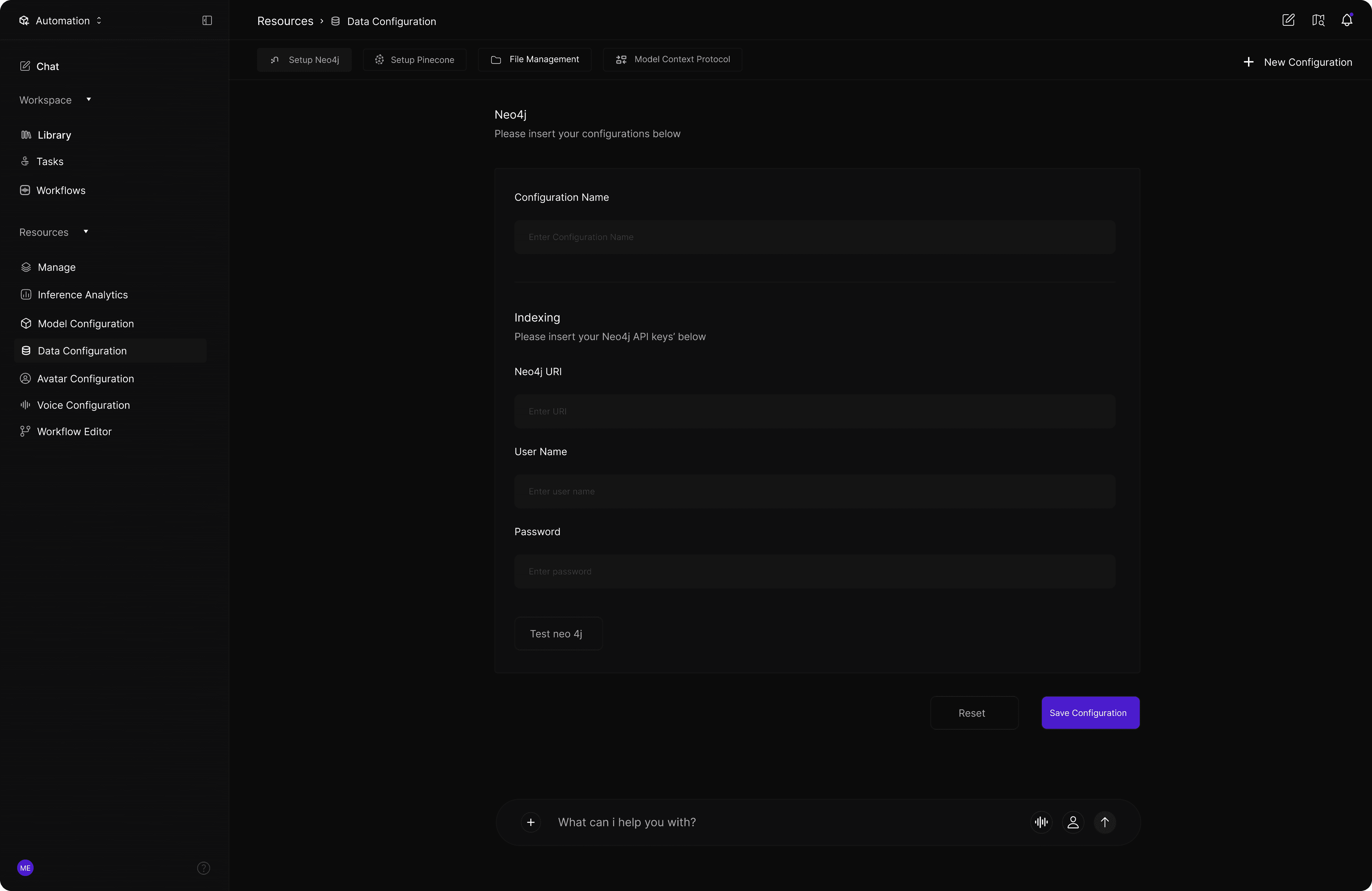
Data prep, pipeline configuration, and orchestration were consolidated into a single workspace — eliminating the tool-switching that fragmented early workflows.
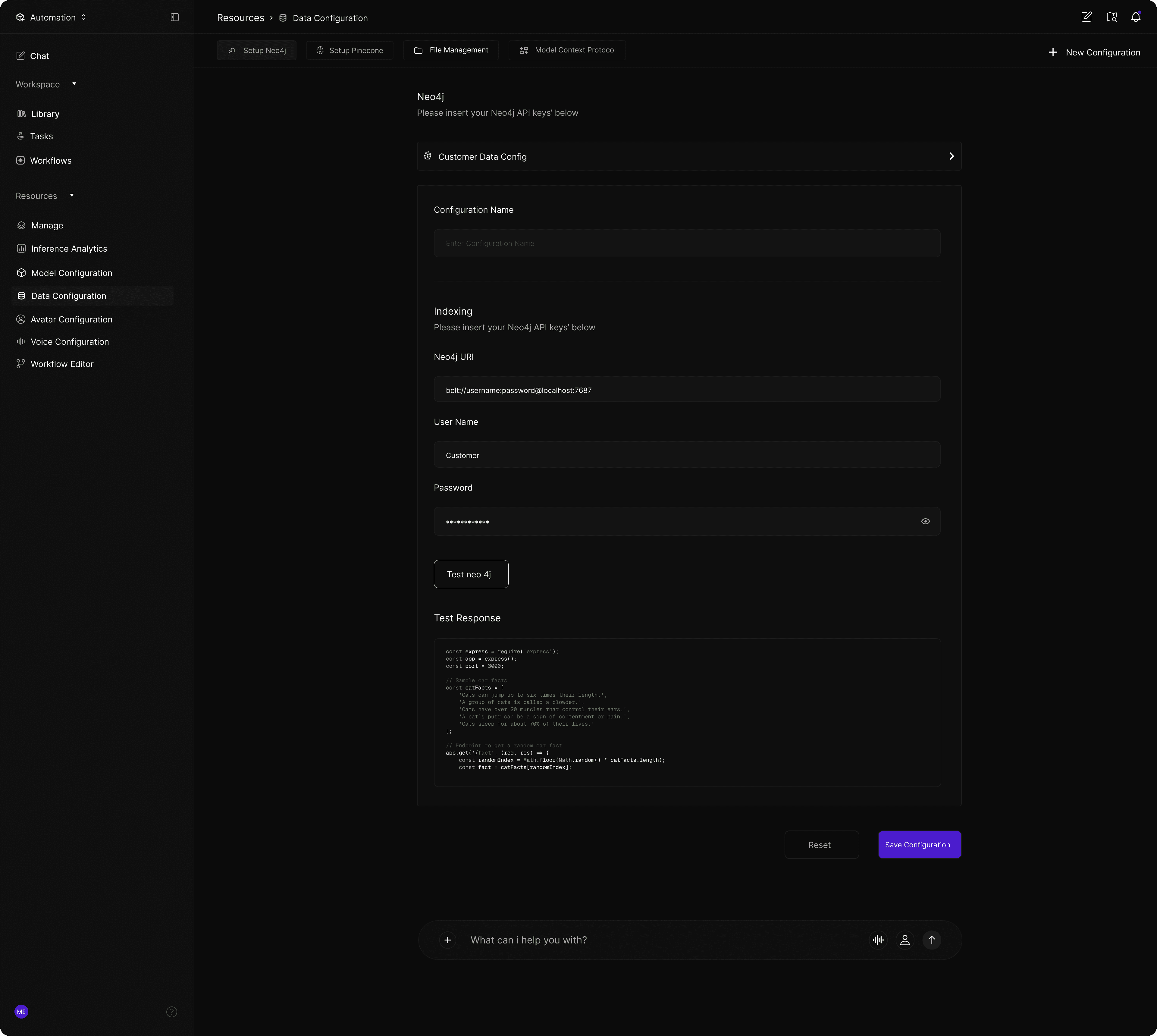
unified workspace — Structured Data / Unstructured Data / File Managment panels visible together in one view

02
Refined over 3+ cycles
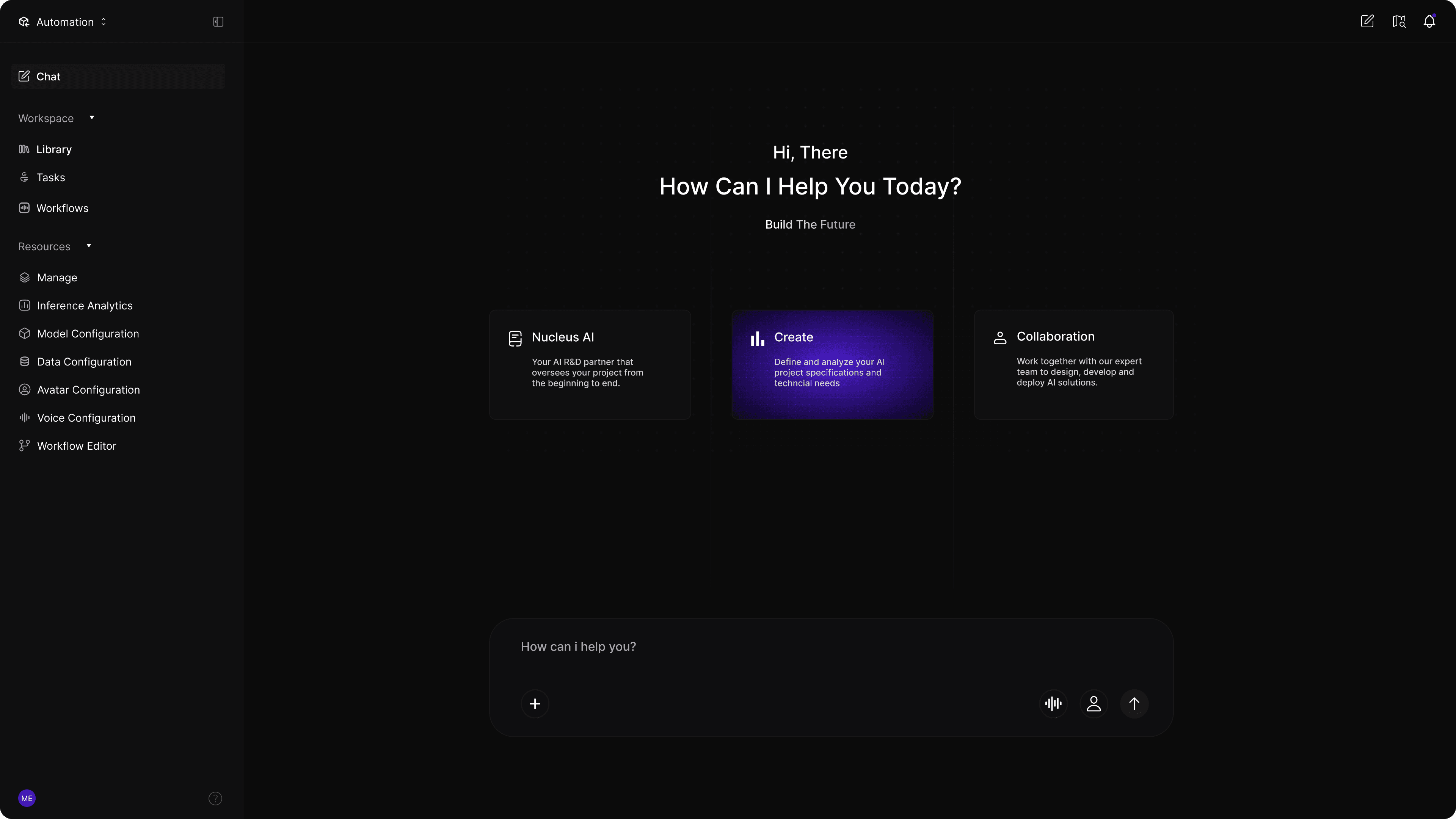
Layered Interaction Model
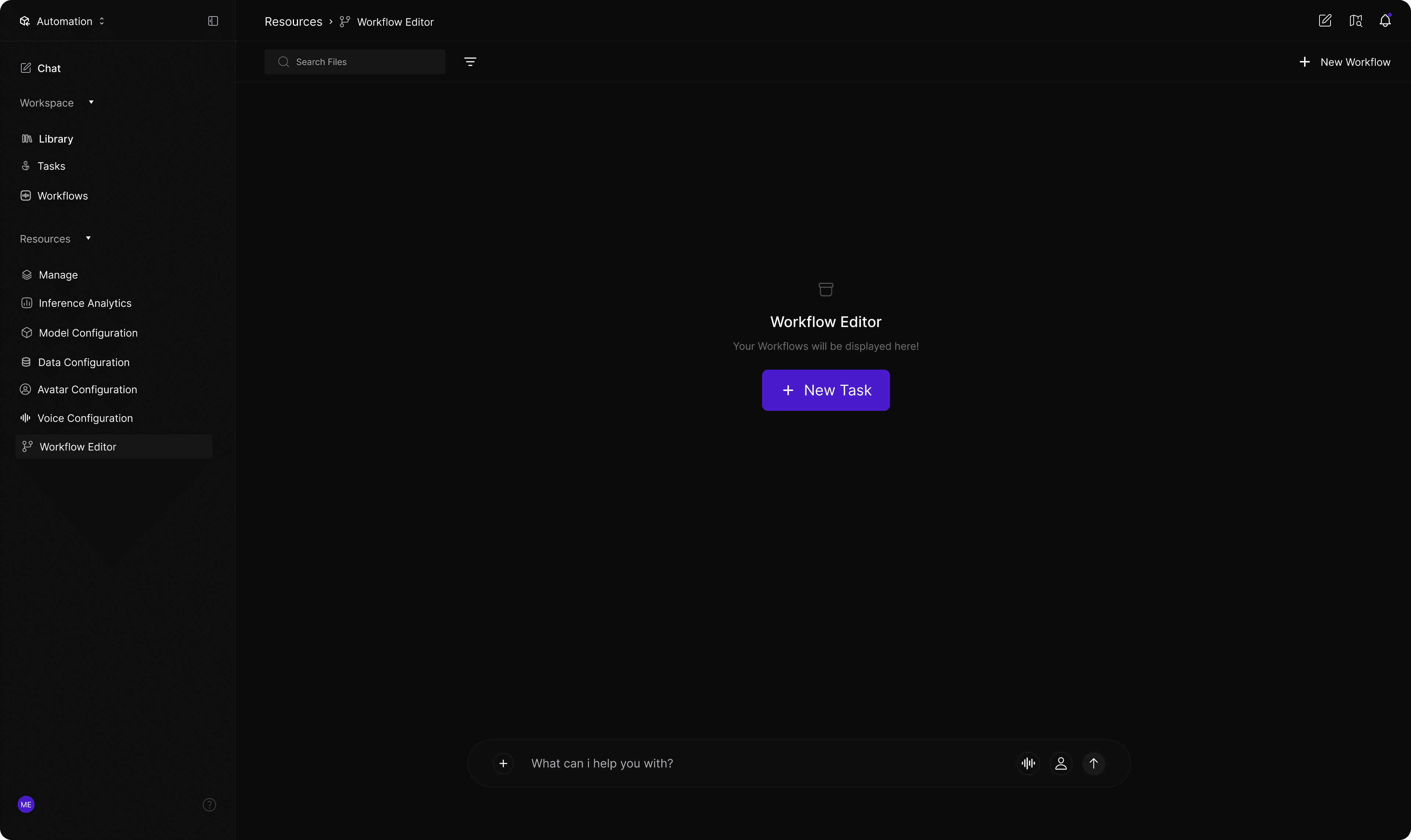
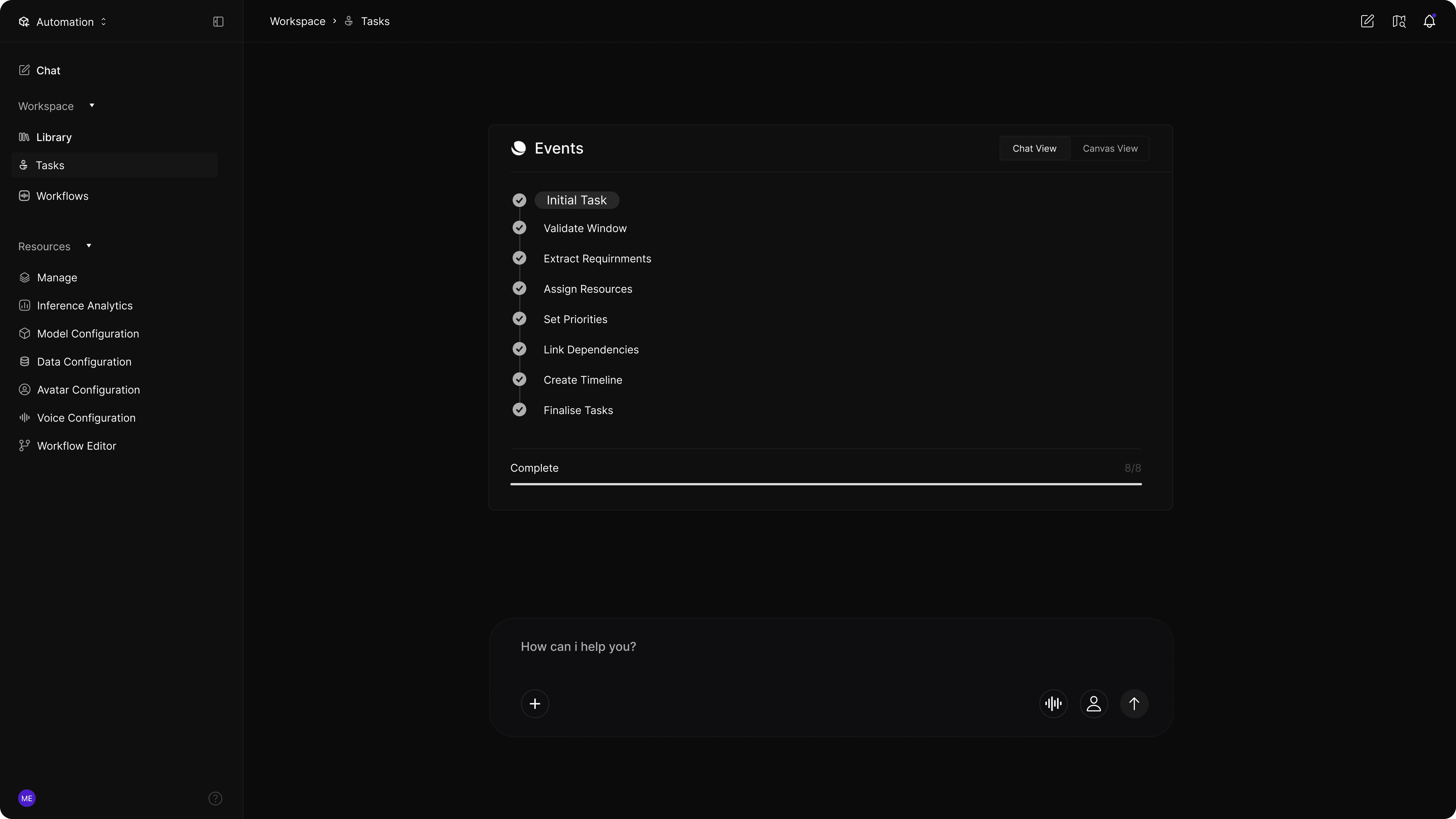
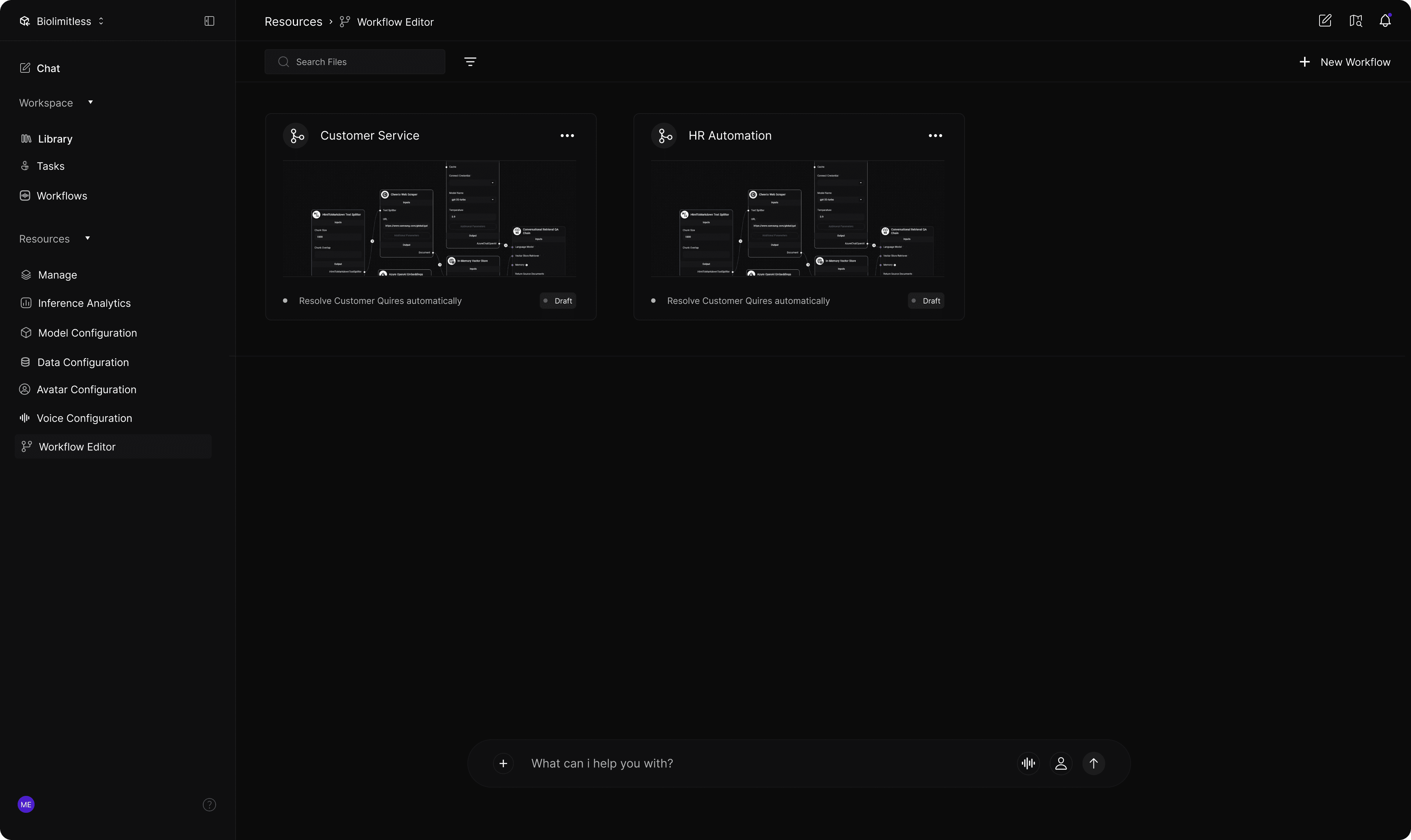
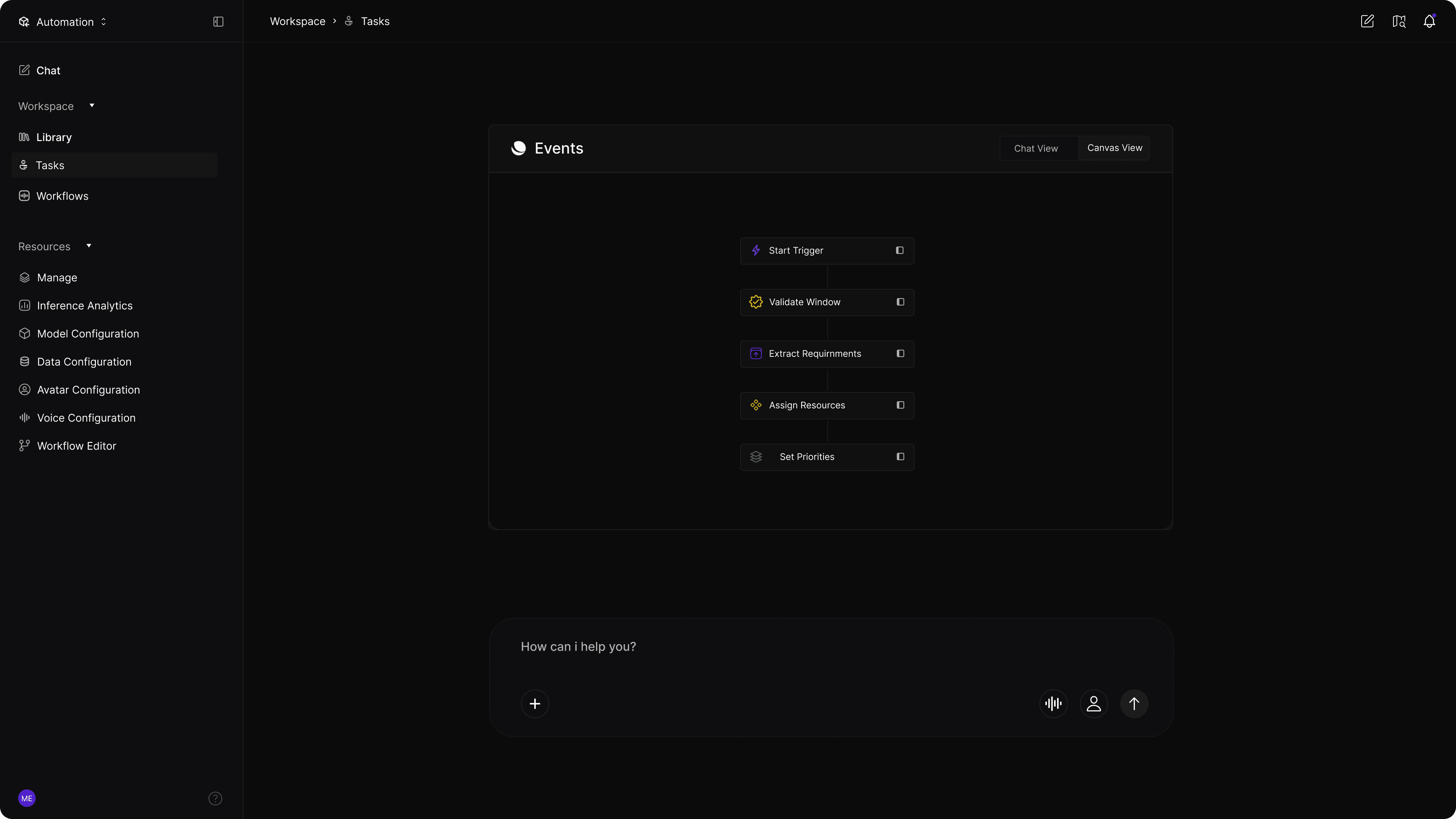
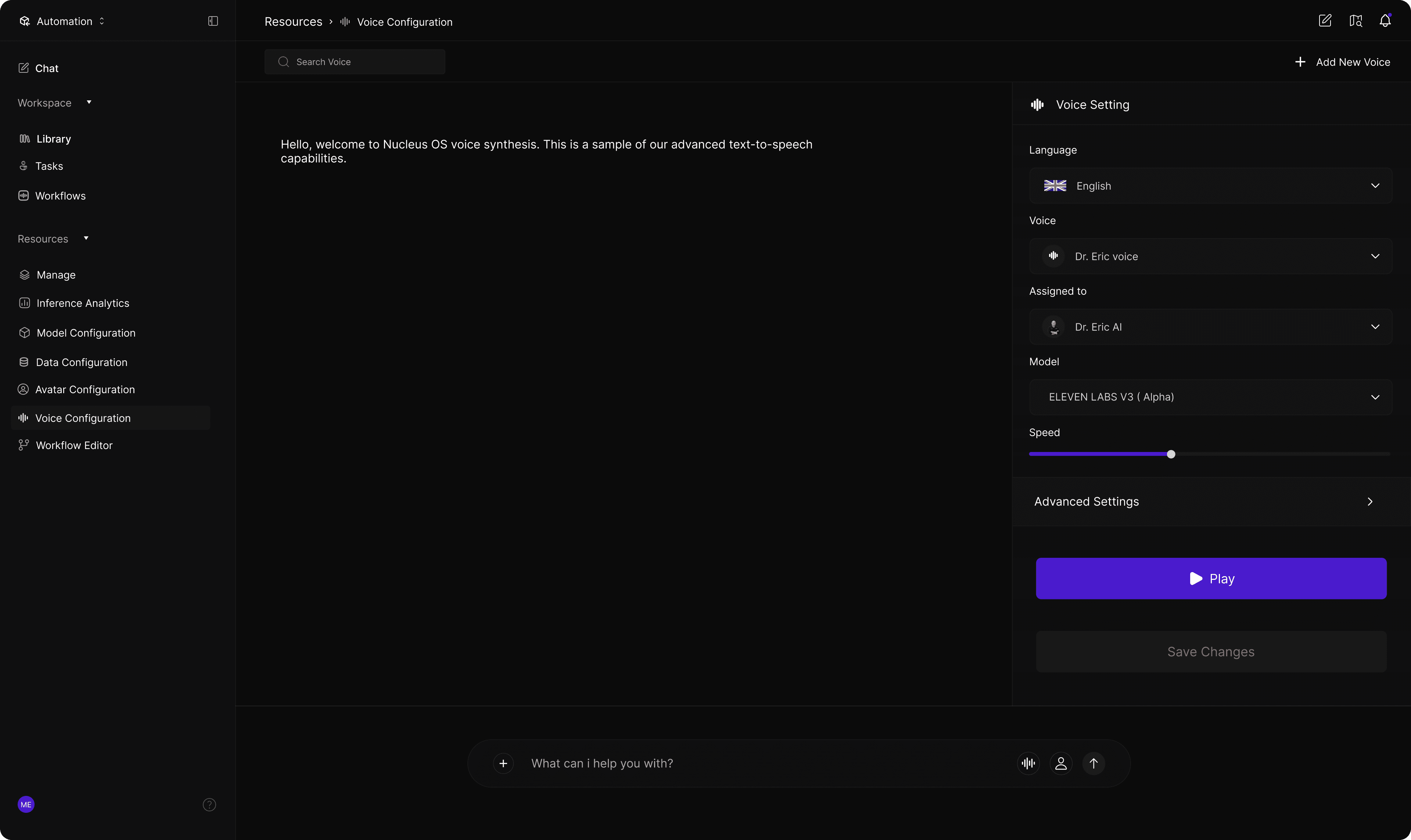
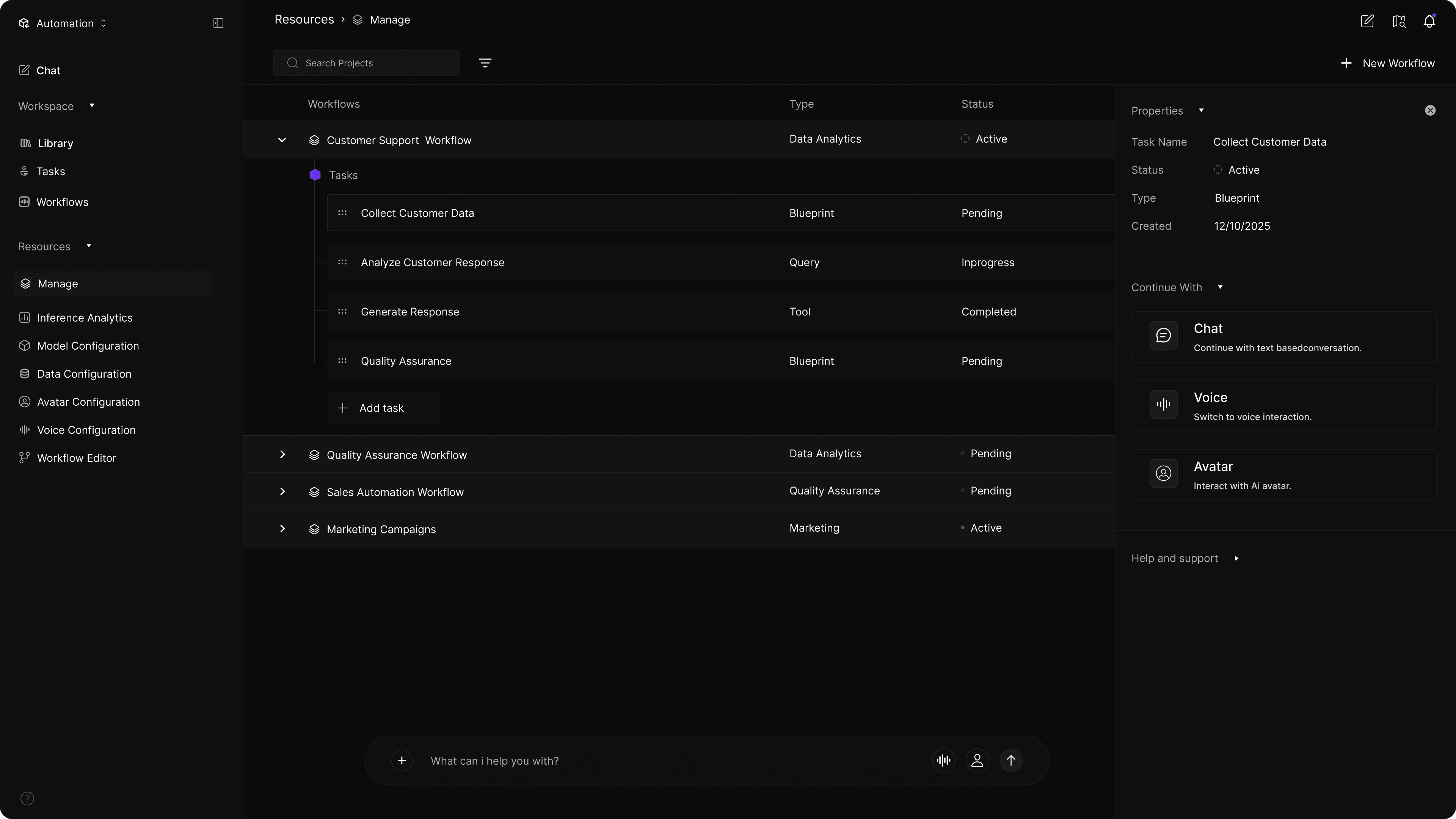
The execution layer features a visual workflow editor that enables users to orchestrate logic, agents, and tools without writing code. By representing complex hierarchies and conditional paths visually, the platform allows users to manage intricate automation flows while maintaining a clear mental model of the system. This transforms technical execution into a repeatable, manageable design process.
visual workflow canvas — nodes, connections, no-code builder view
[003]
Design Process
Design Process
From research to refined solution
Unified data ingestion, transformation, and synthetic generation. Handle structured and unstructured data with automatic schema detection and quality validation.

Mapped existing tool fragmentation across data prep, pipeline config, and orchestration workflows with product and engineering stakeholders.

Problem Framing
Identified the AI 'trust gap' as the primary adoption blocker through early stakeholder feedback sessions.

Interaction Model Design
Designed the layered chat-first / direct-manipulation model to serve both novice and advanced users in one system.

Iterative Stakeholder Review
Refined the design across 3+ review cycles with product and engineering teams, adjusting based on direct feedback each round.

Traceability System
Built the visual reasoning-path system into the pipeline editor as the direct response to trust concerns.

[004]
Results & Impact
5
Guided workflows with less friction.
25%
Guided workflows with less friction.
Nucleus consolidated a workflow that previously spanned separate data prep, pipeline configuration, and chat/orchestration tools into one interface. Across 3+ review cycles, this consolidation was consistently identified as the platform's core value.
The layered interaction model — chat-first for beginners, direct manipulation for advanced users — emerged directly from this feedback: early reviews surfaced trust in AI "black box" behavior as the primary adoption blocker, which shaped the visual traceability system built into the pipeline editor.
Final Design
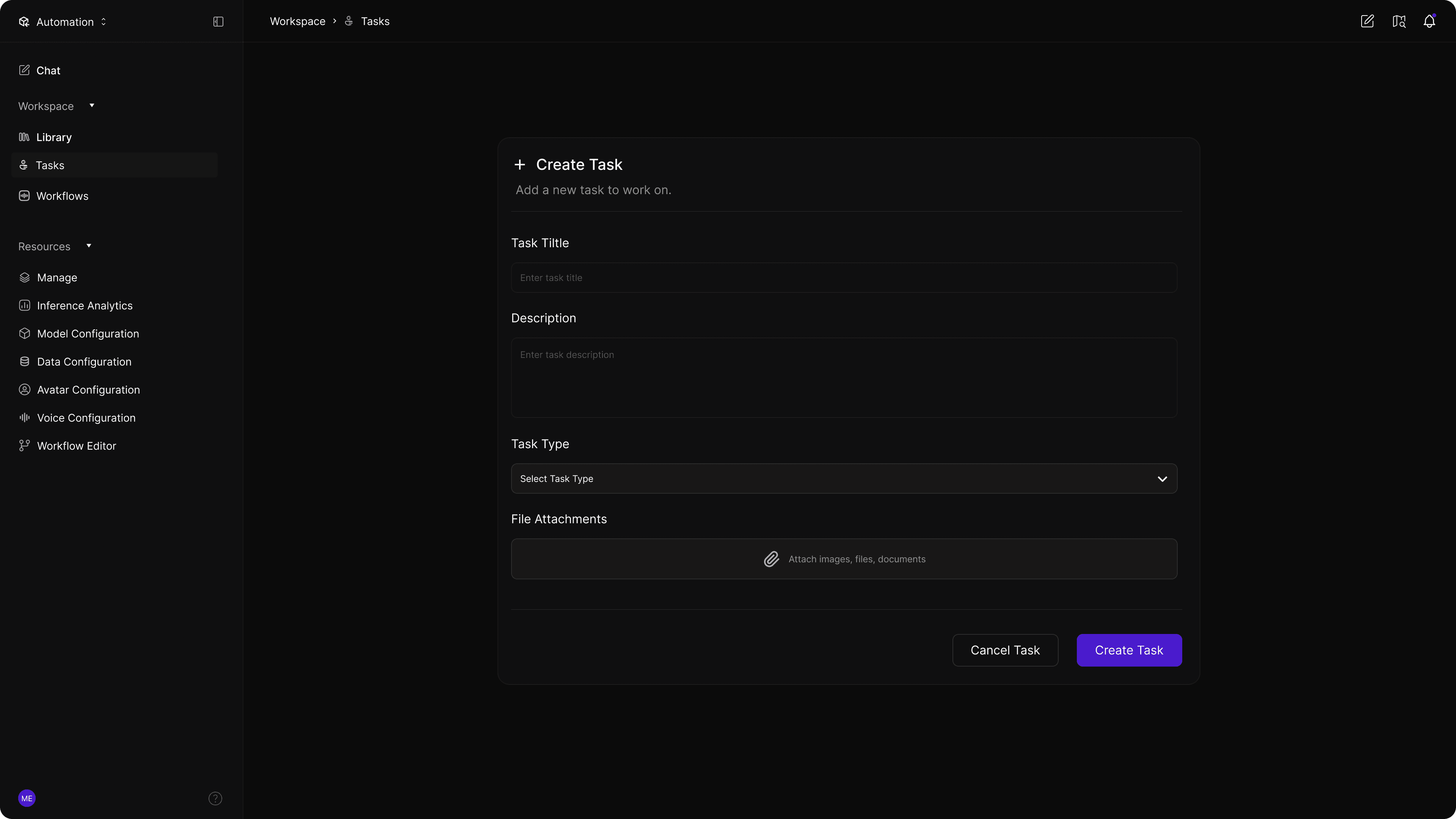
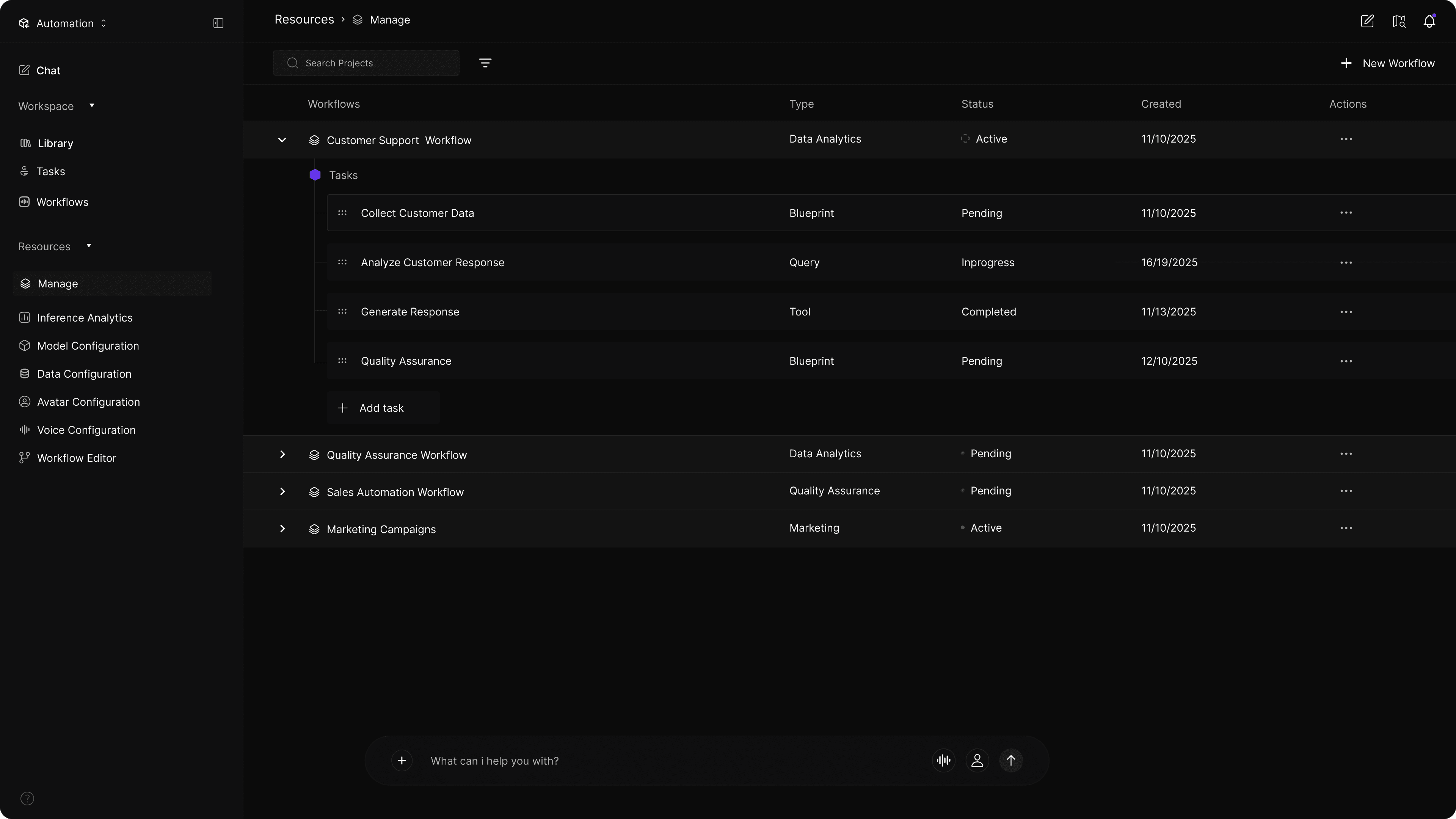
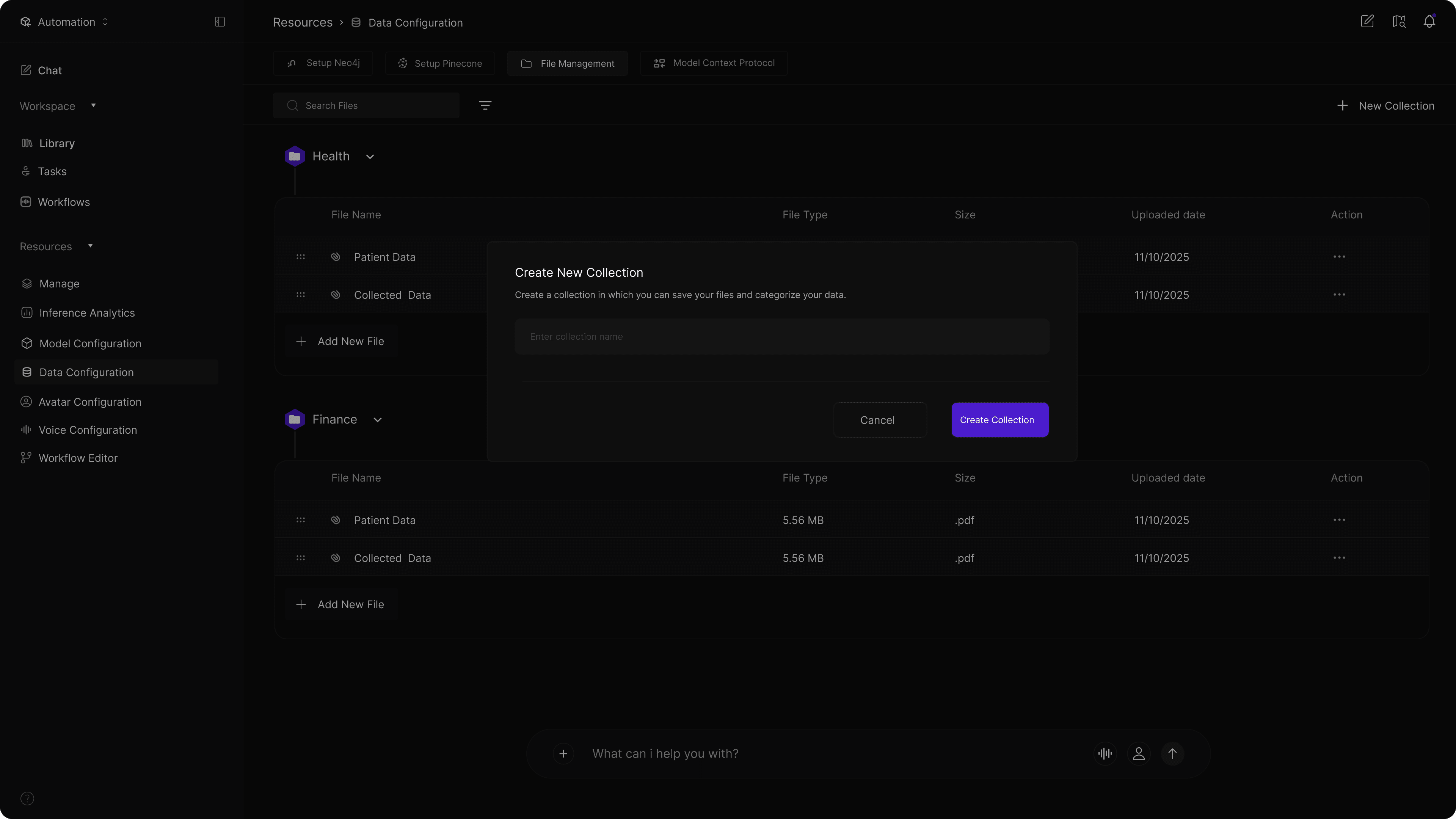
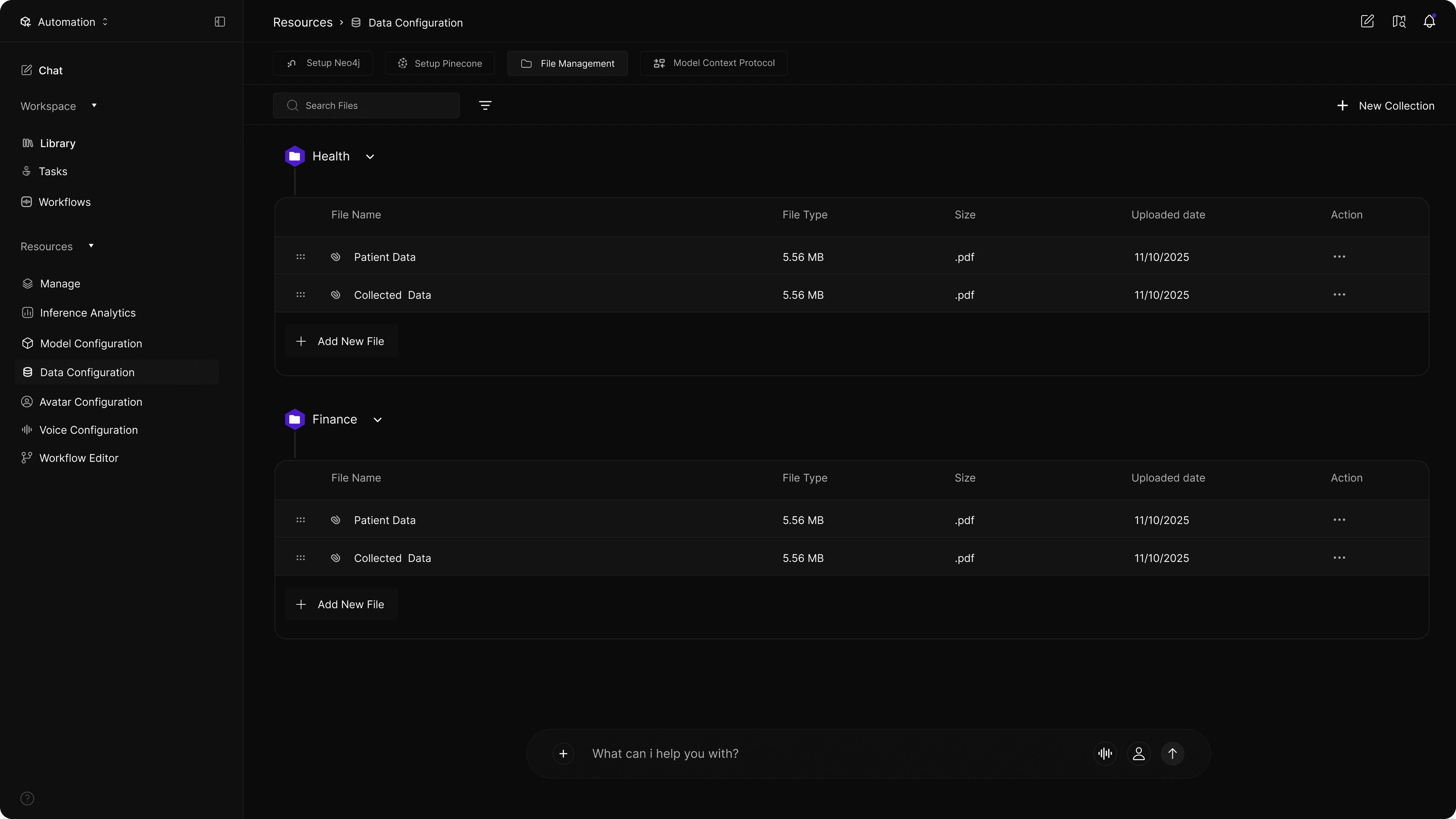
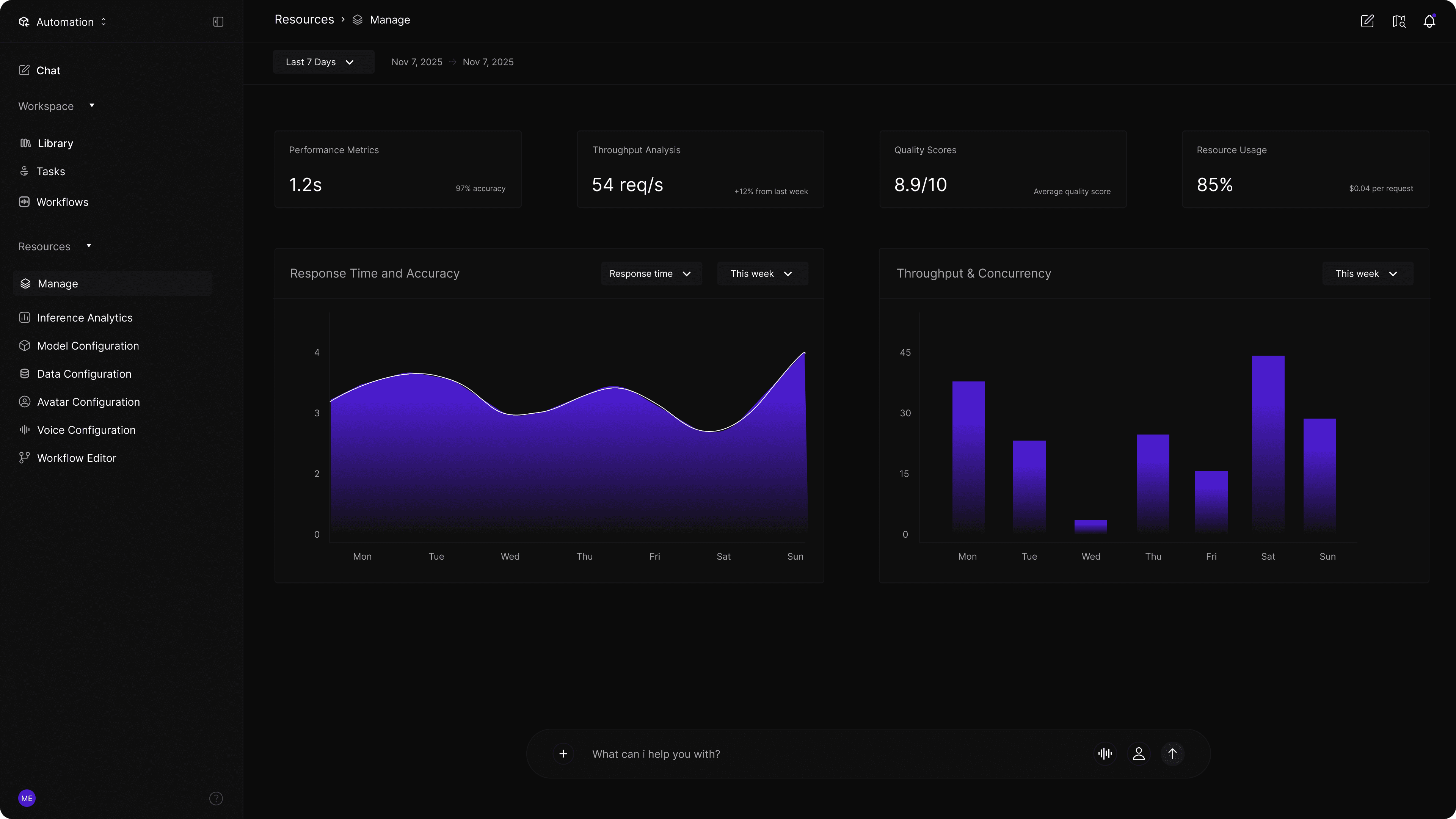
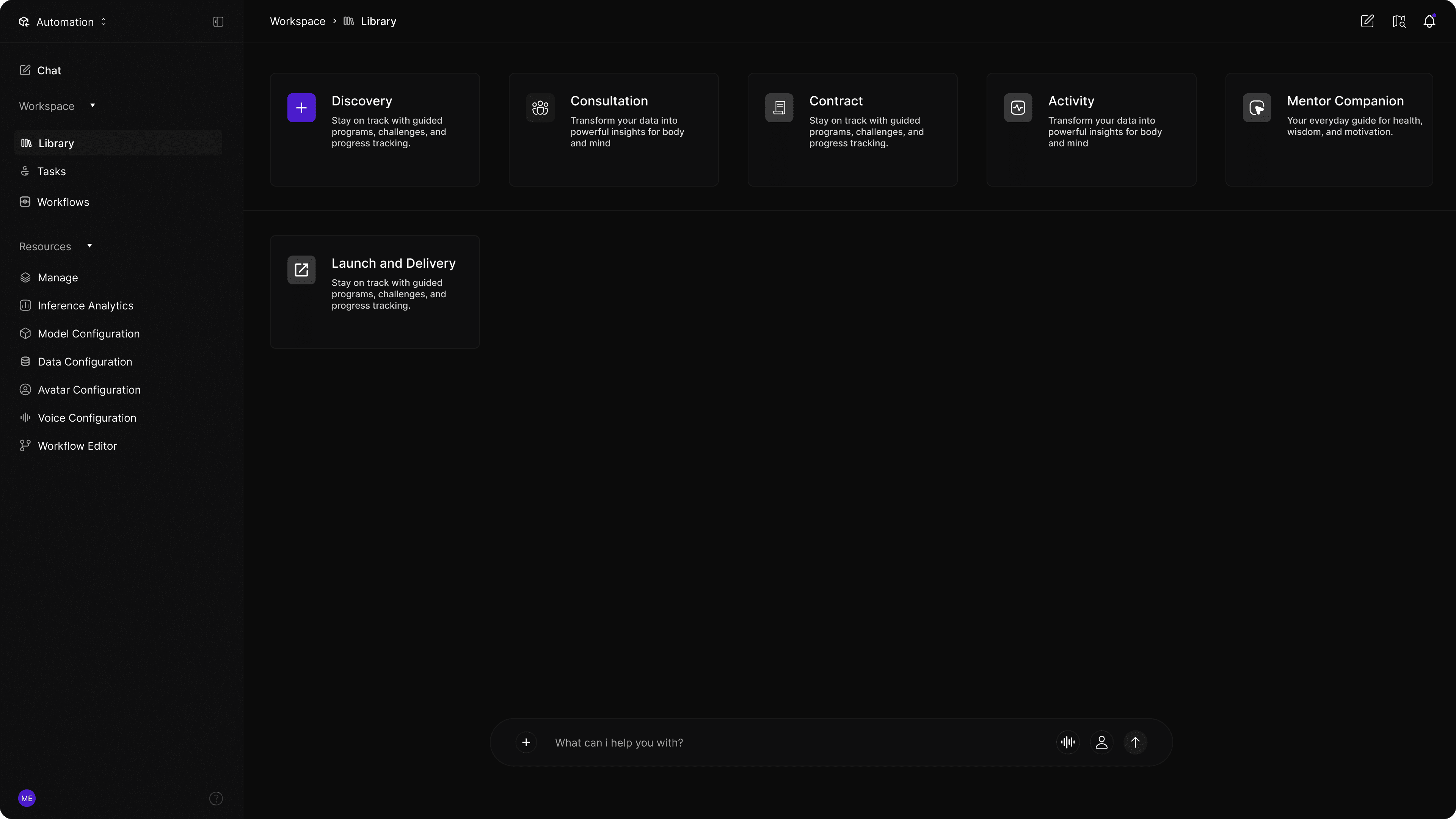
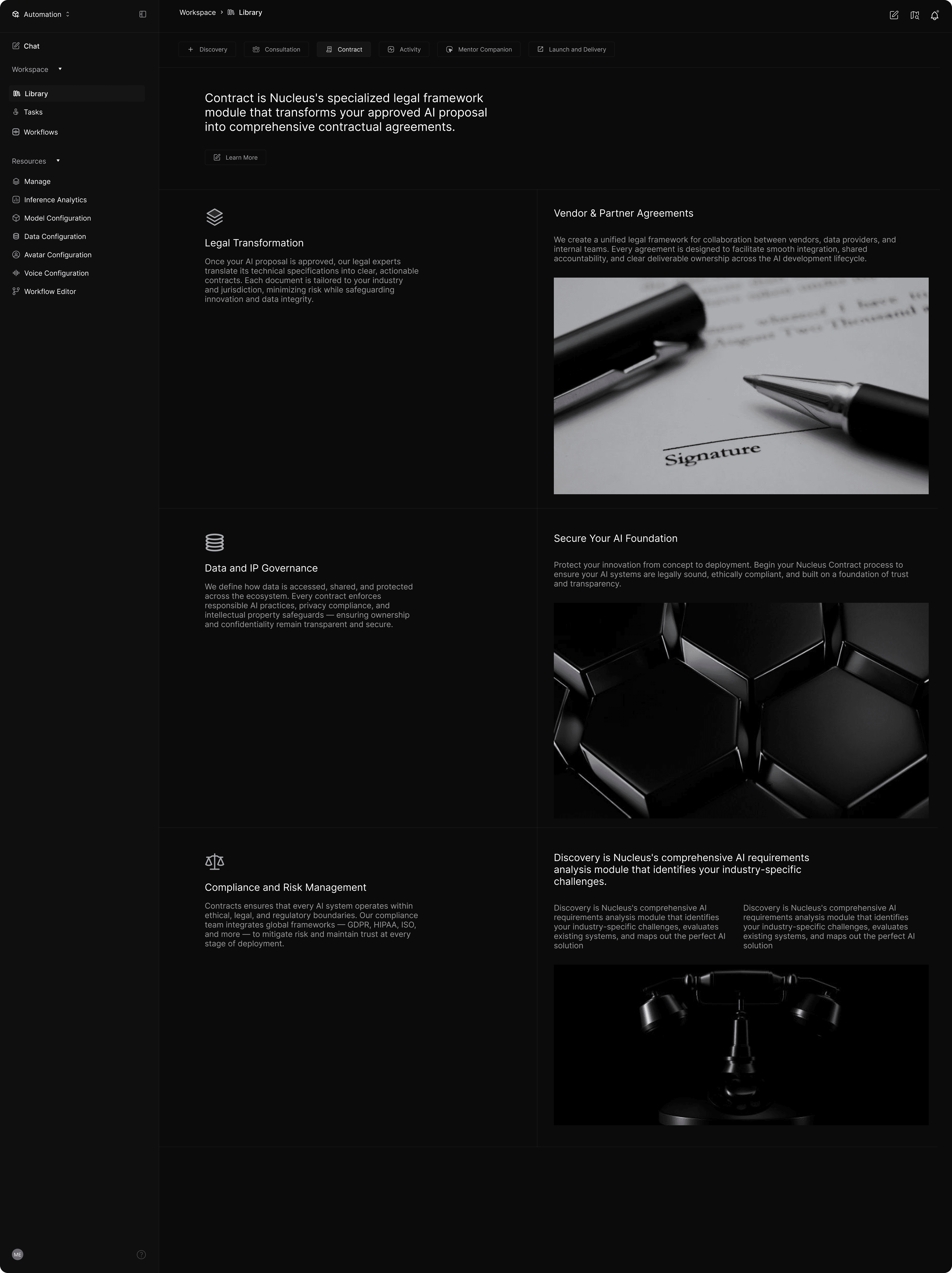
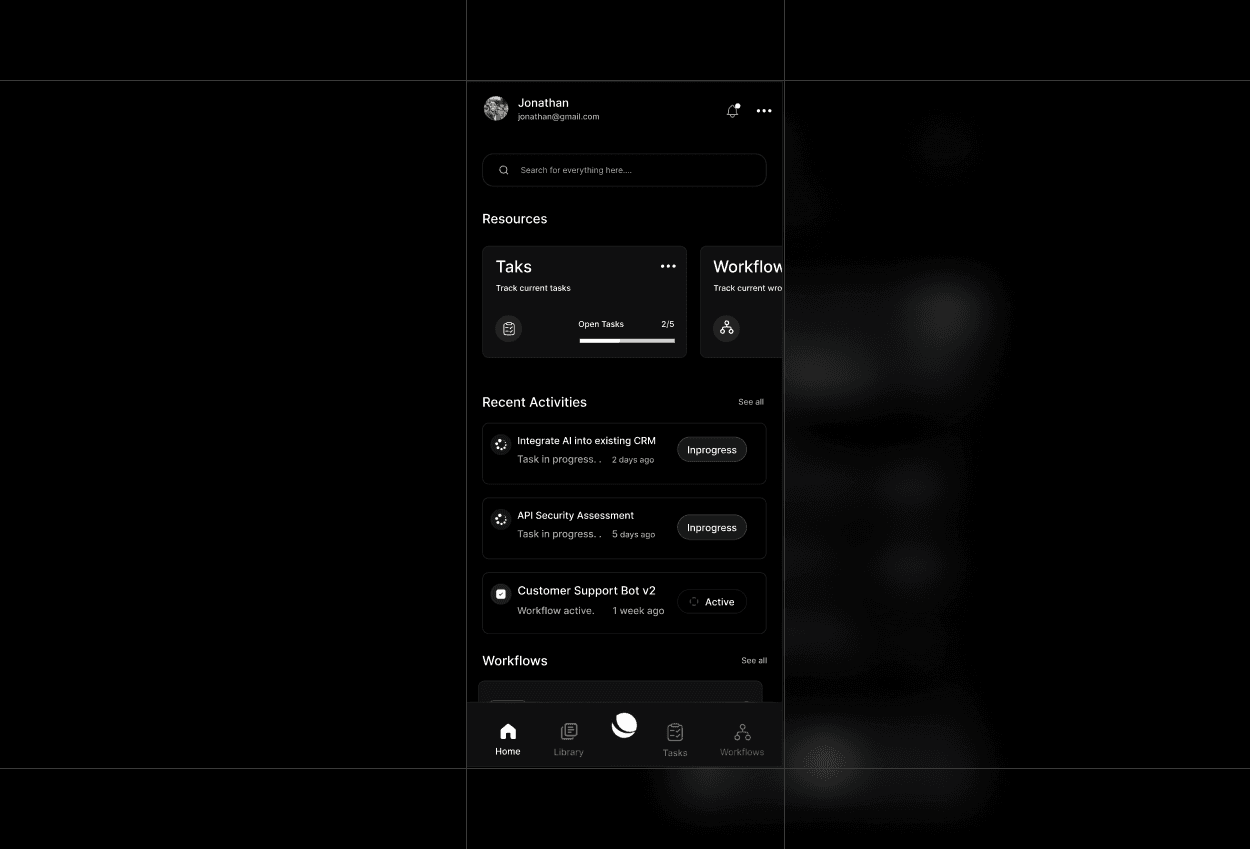
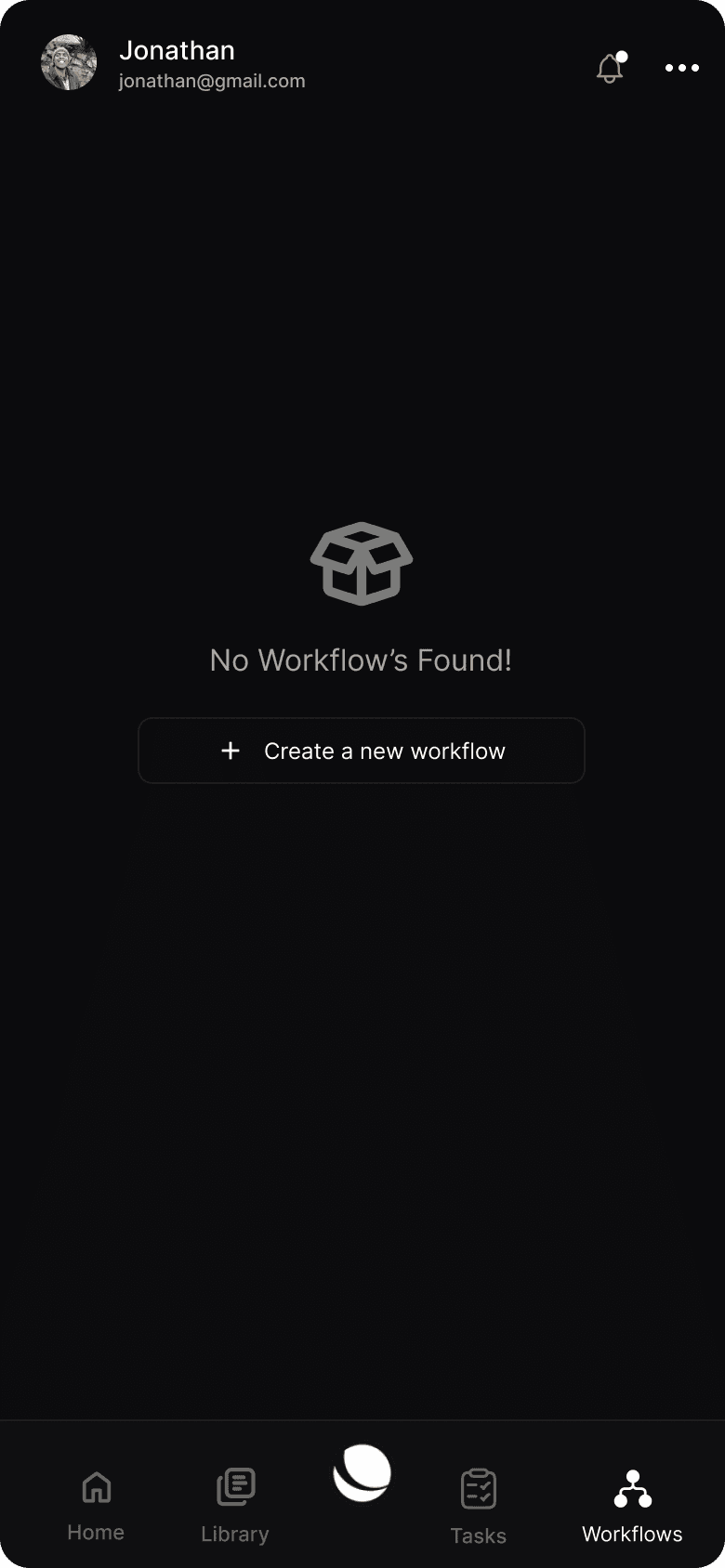
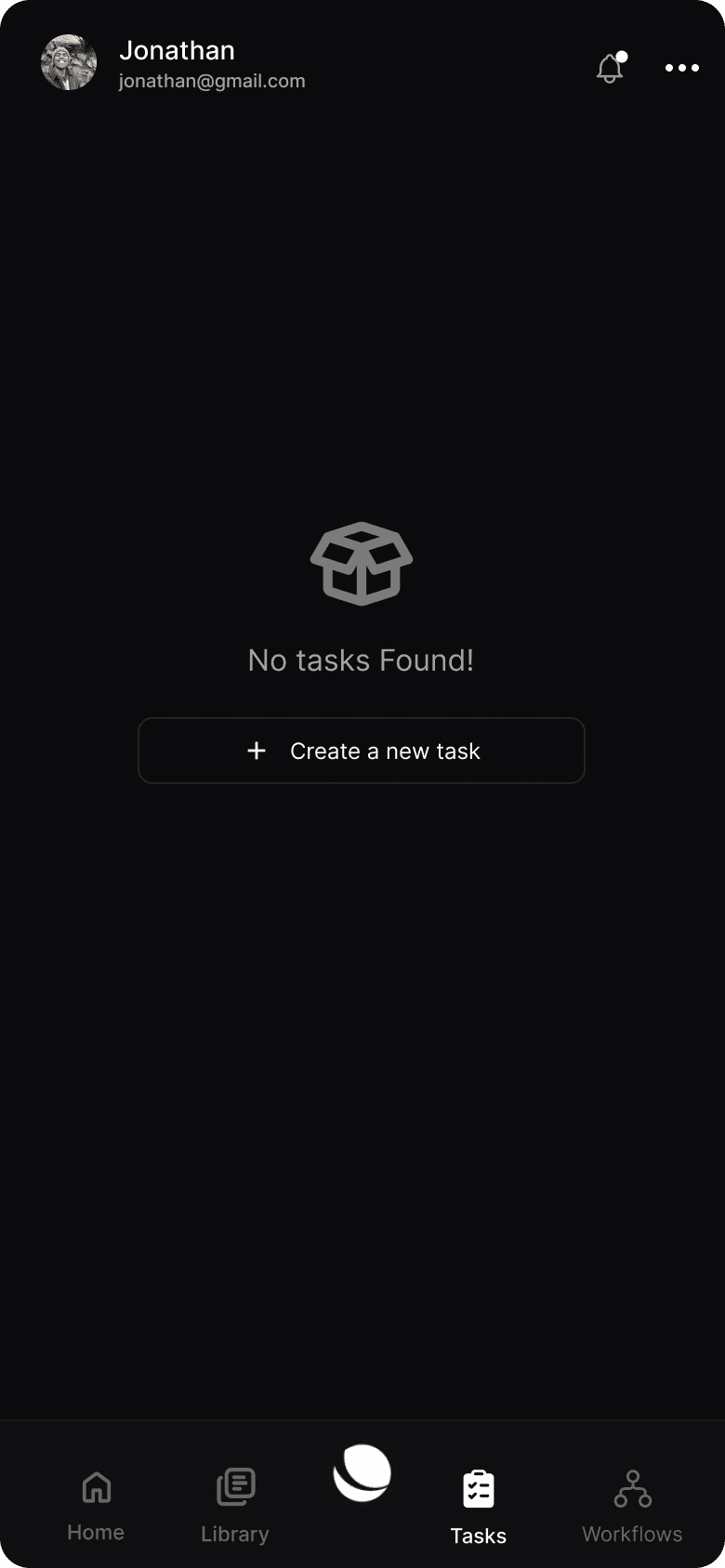
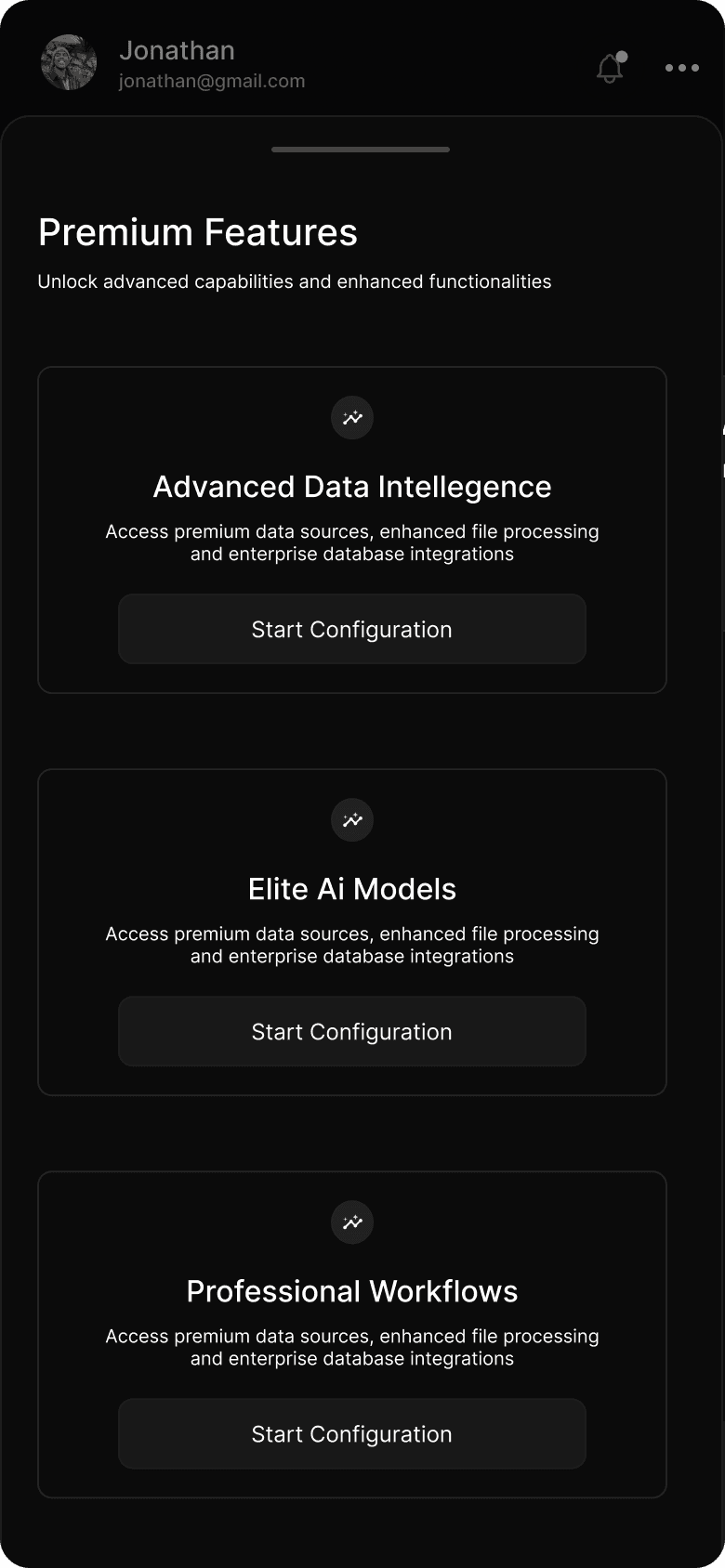
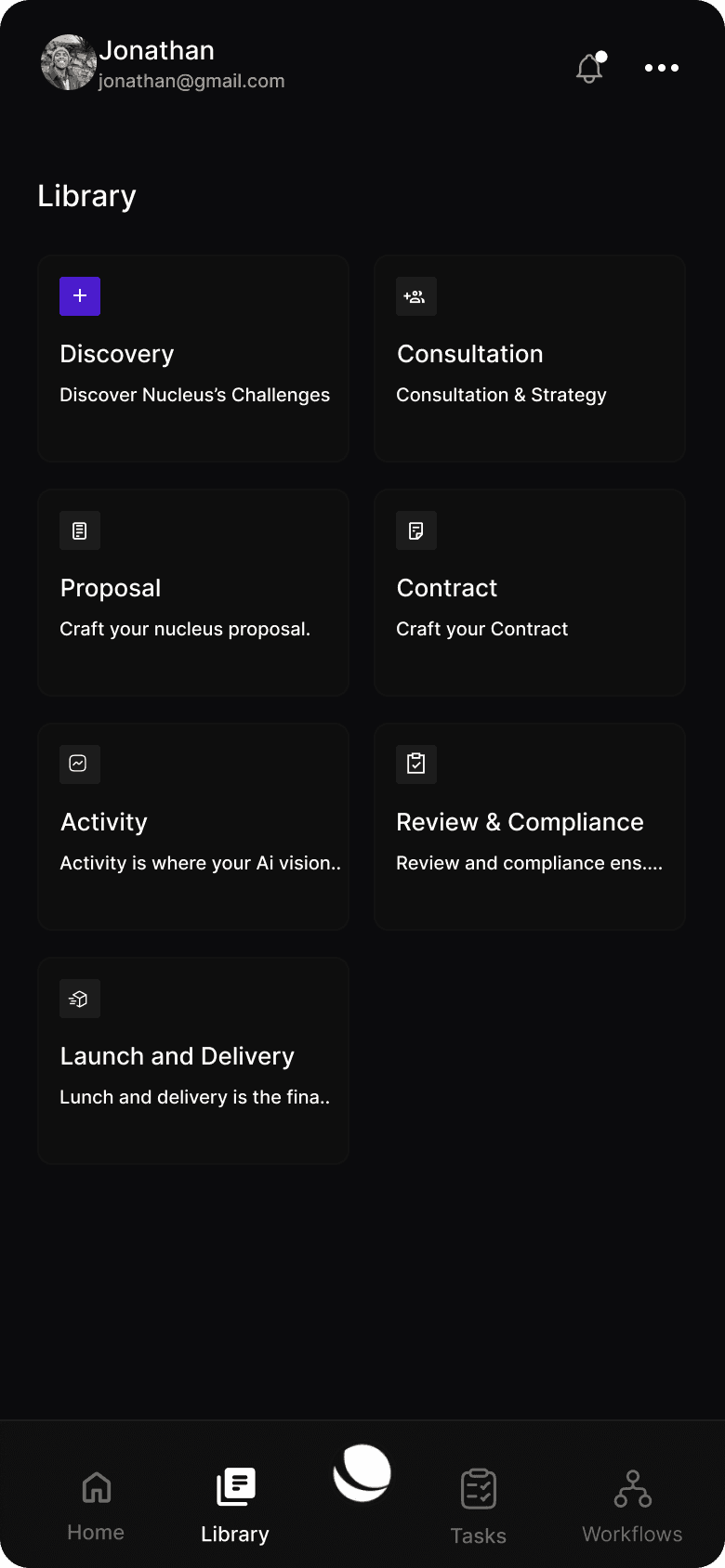
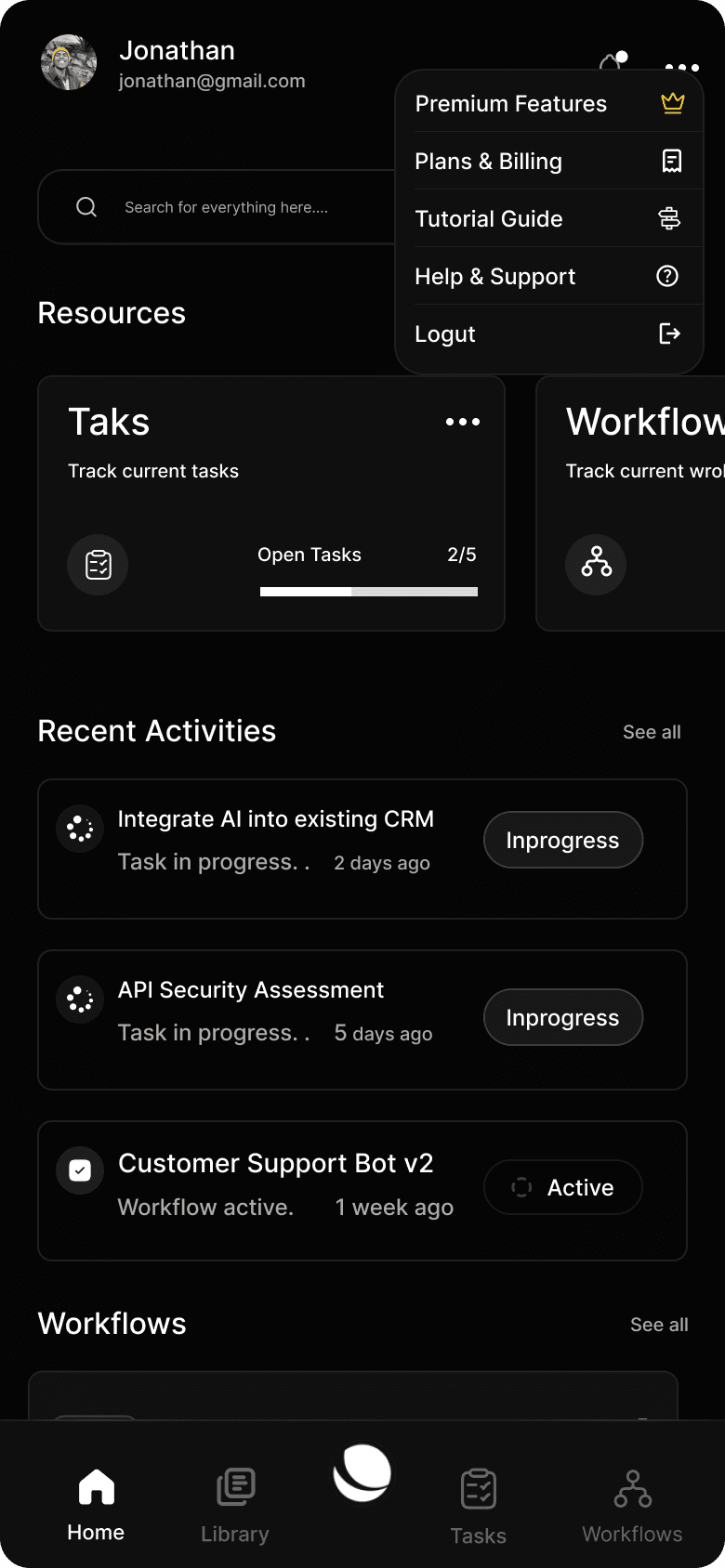
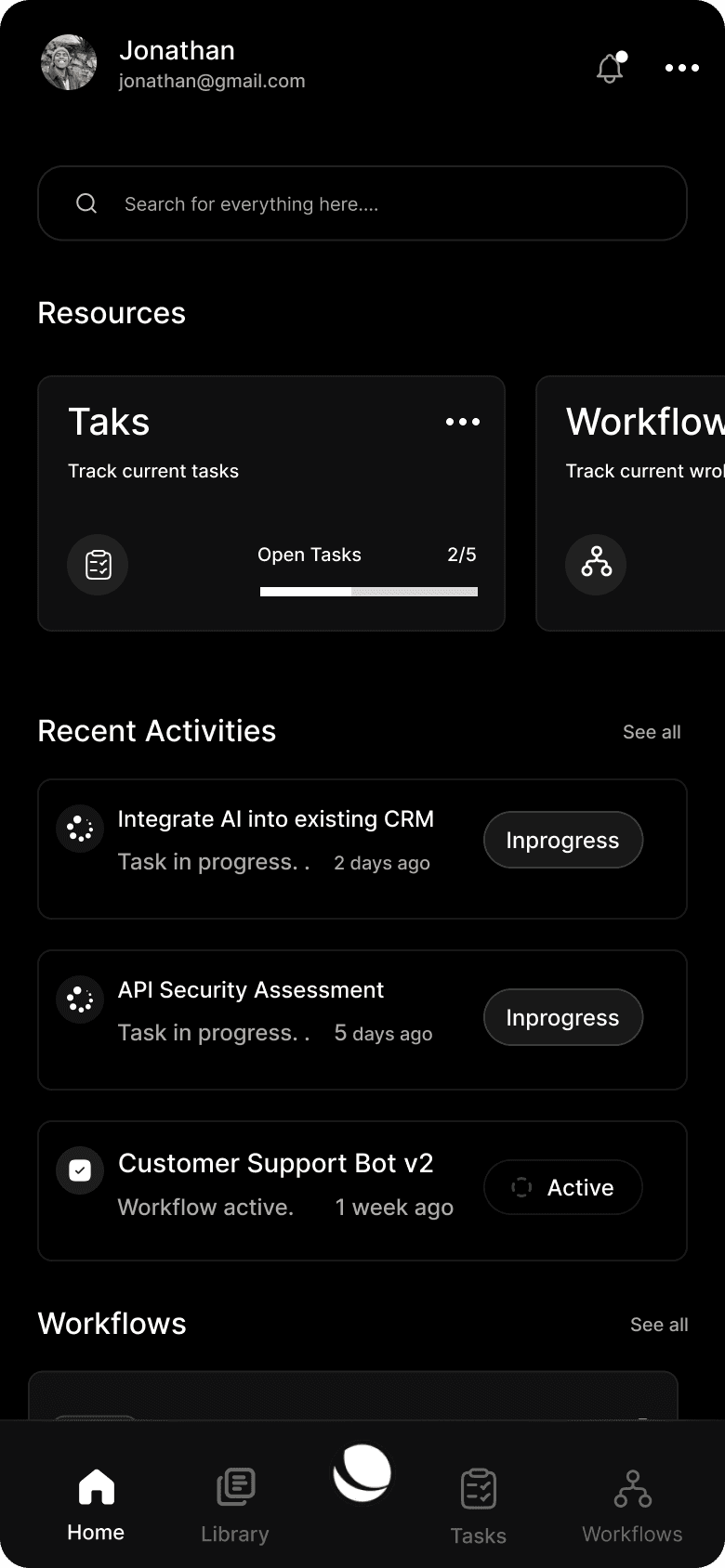
Native Mobile App
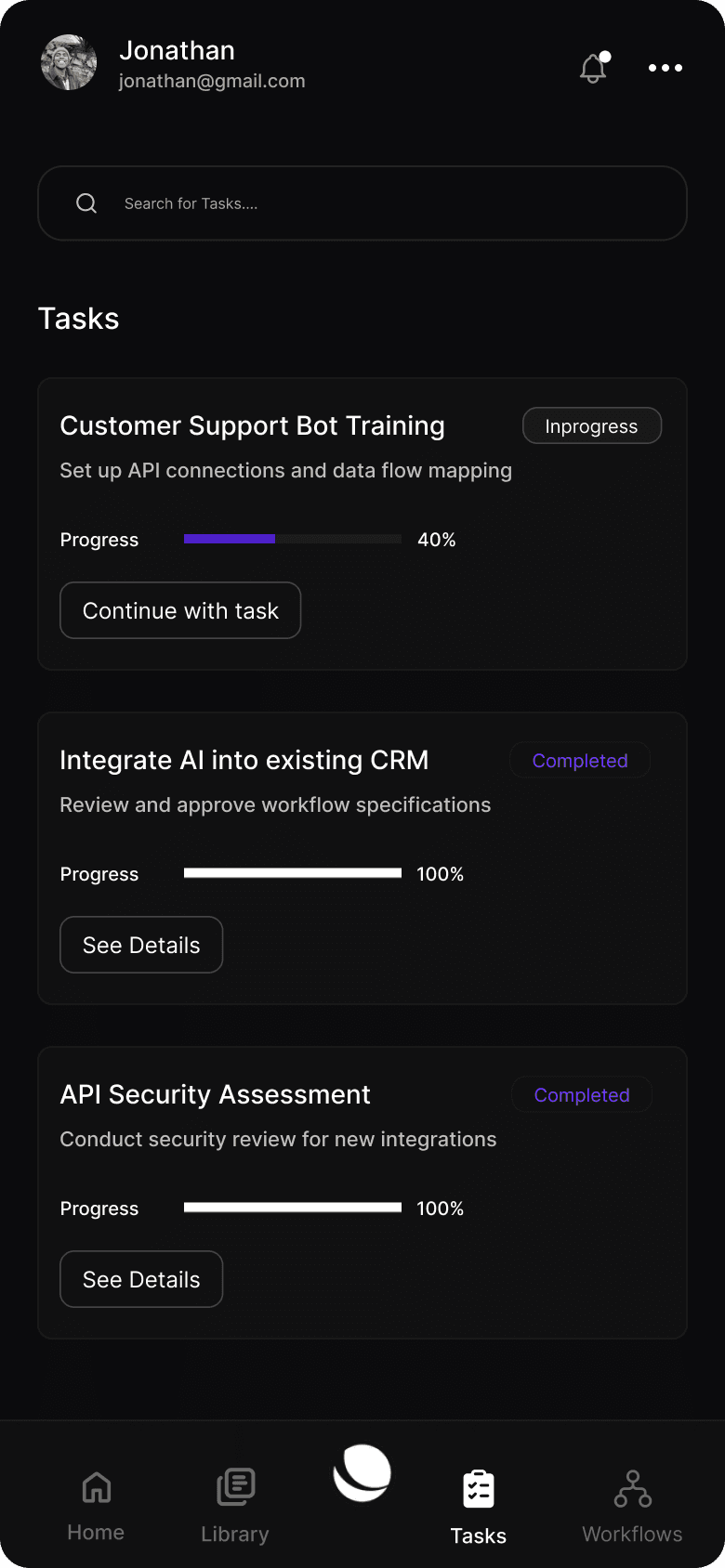
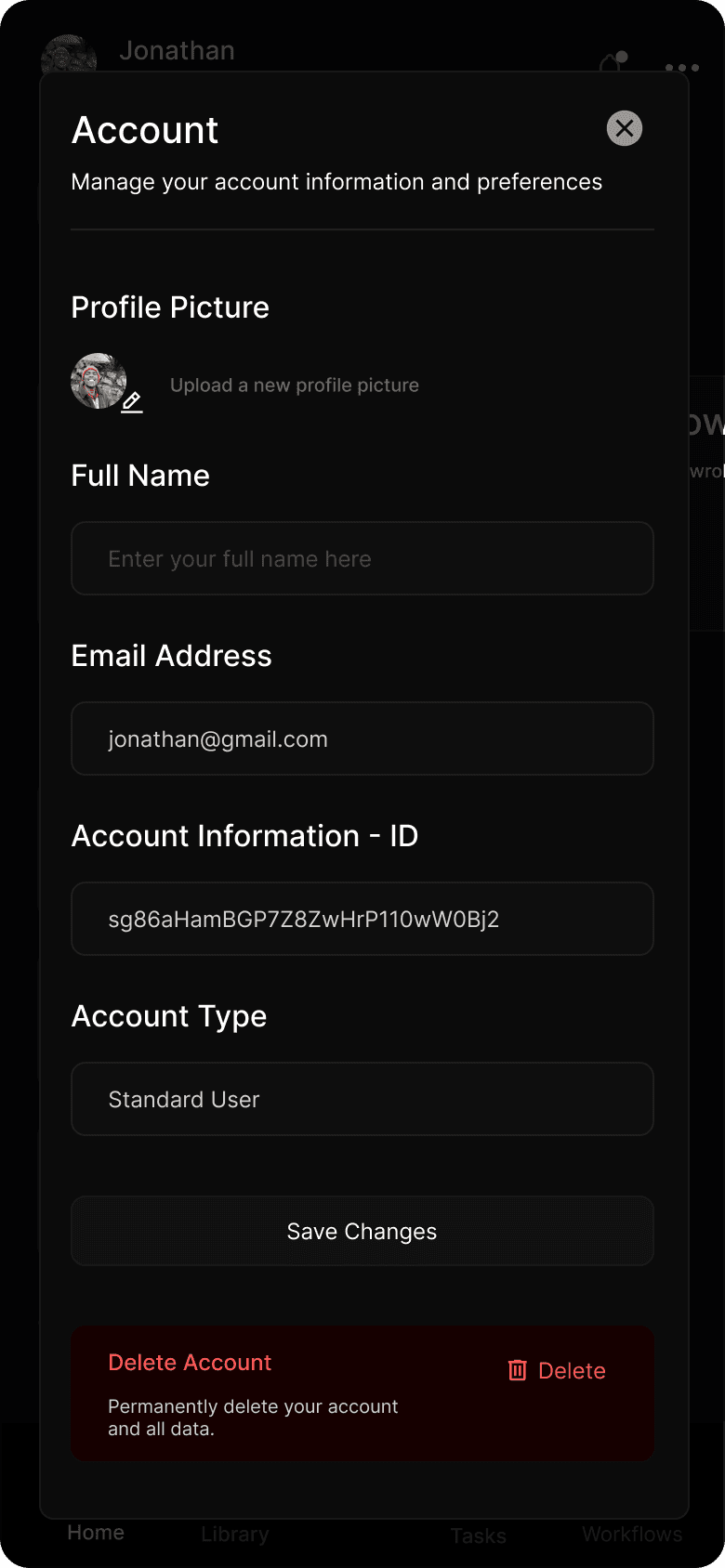
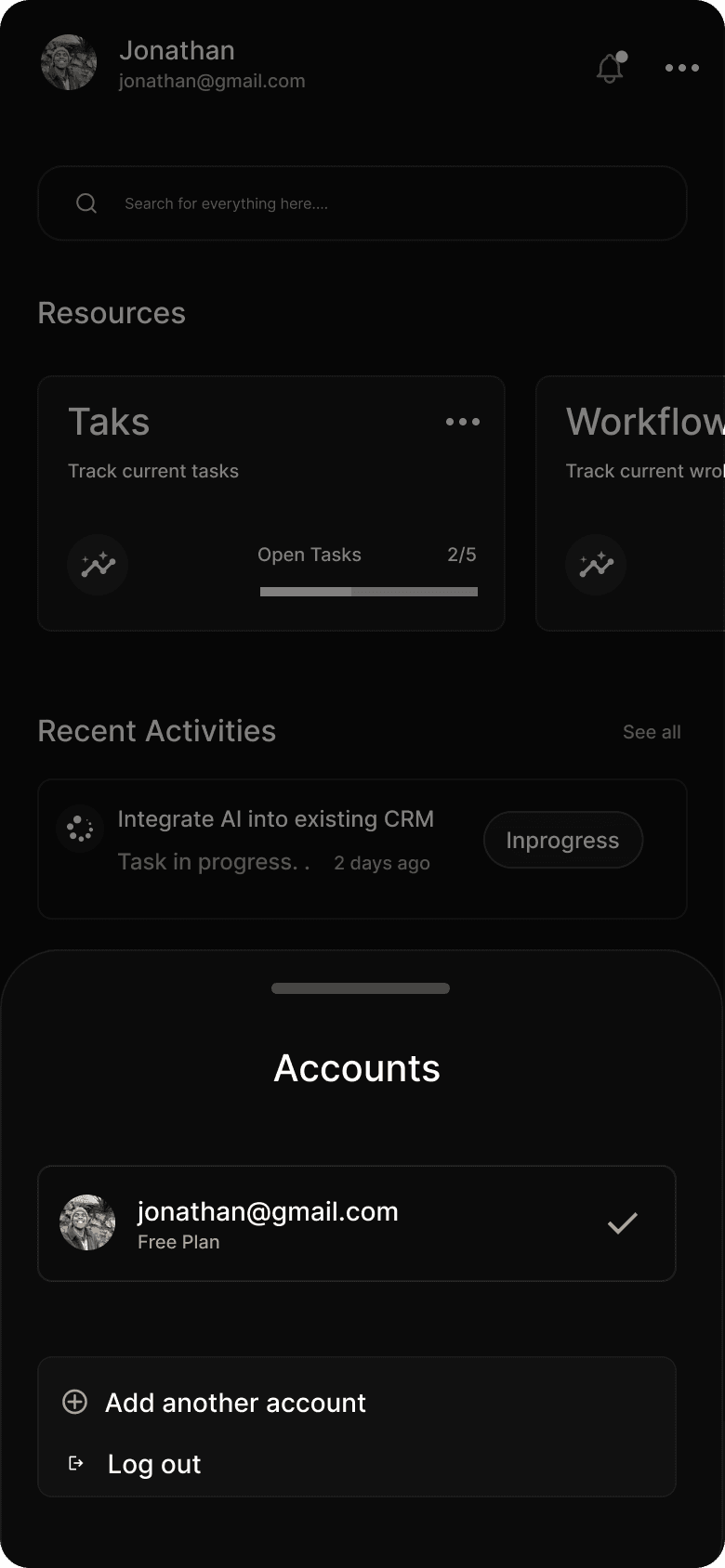
Native Mobile App Manage Your Data & Automations Anywhere
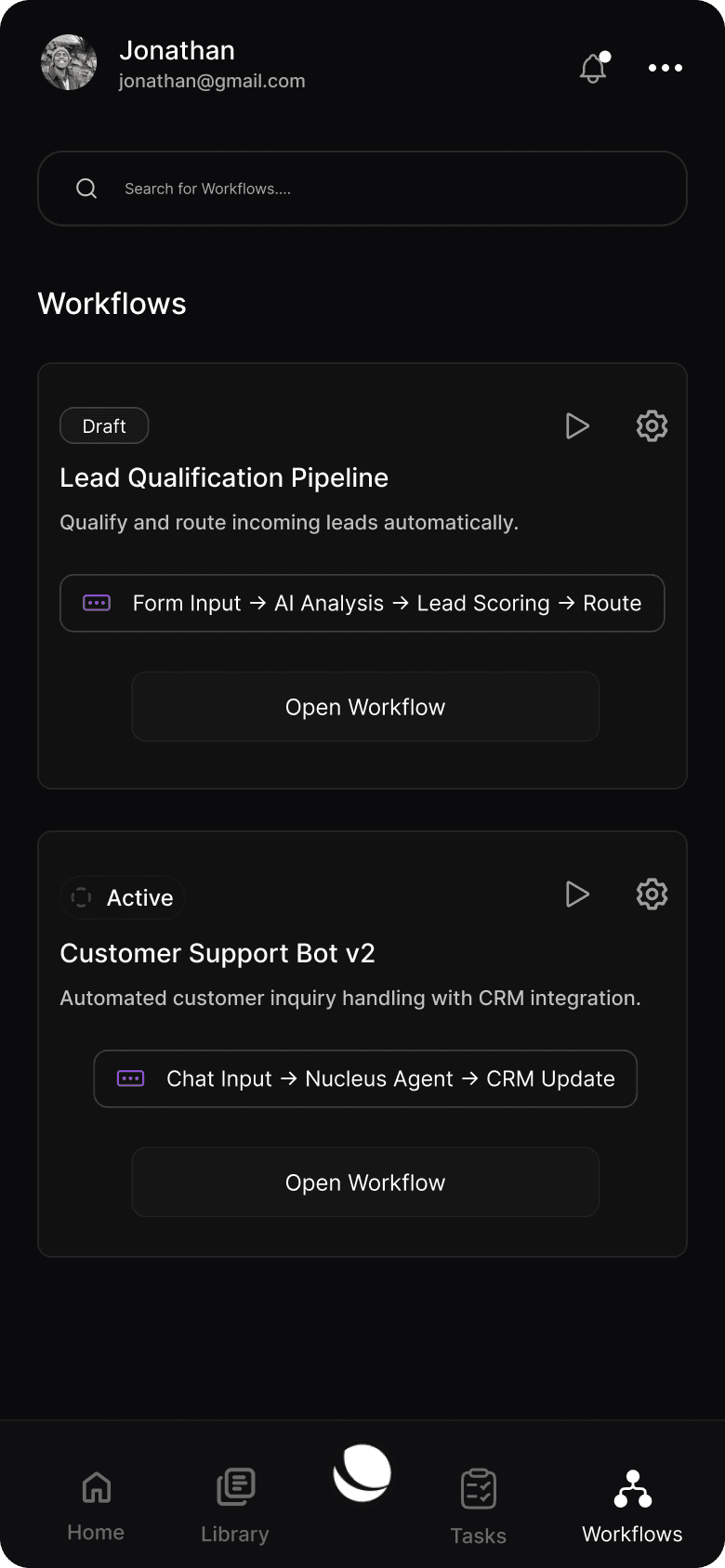
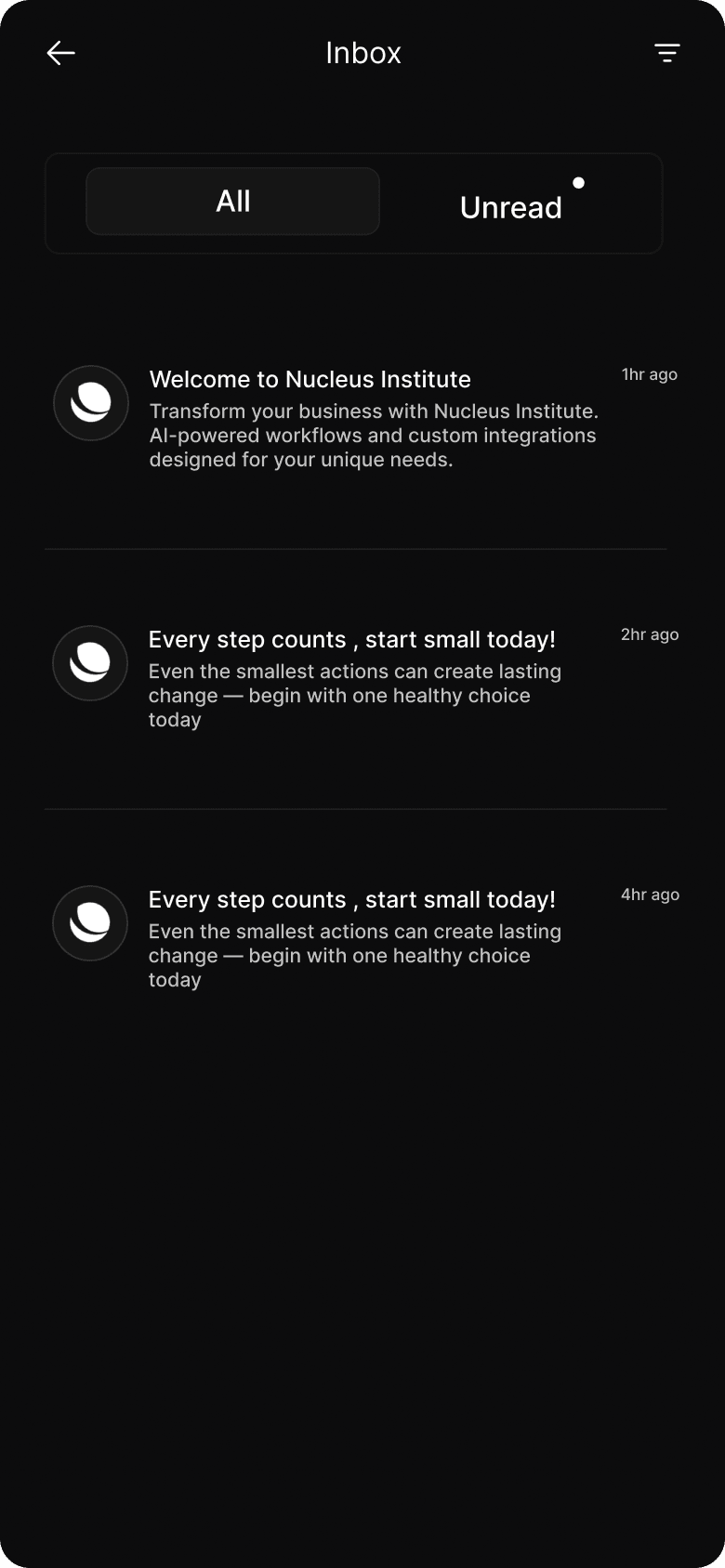
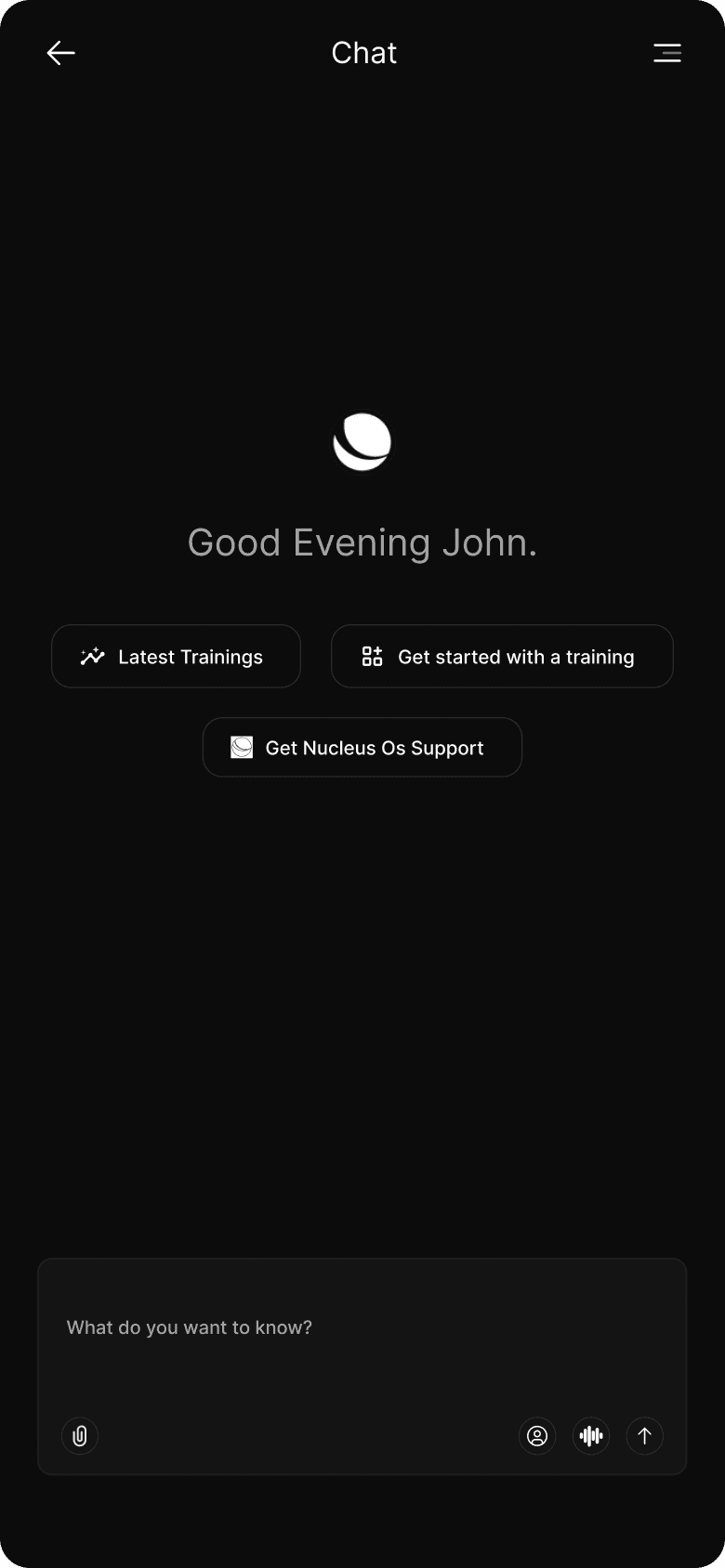
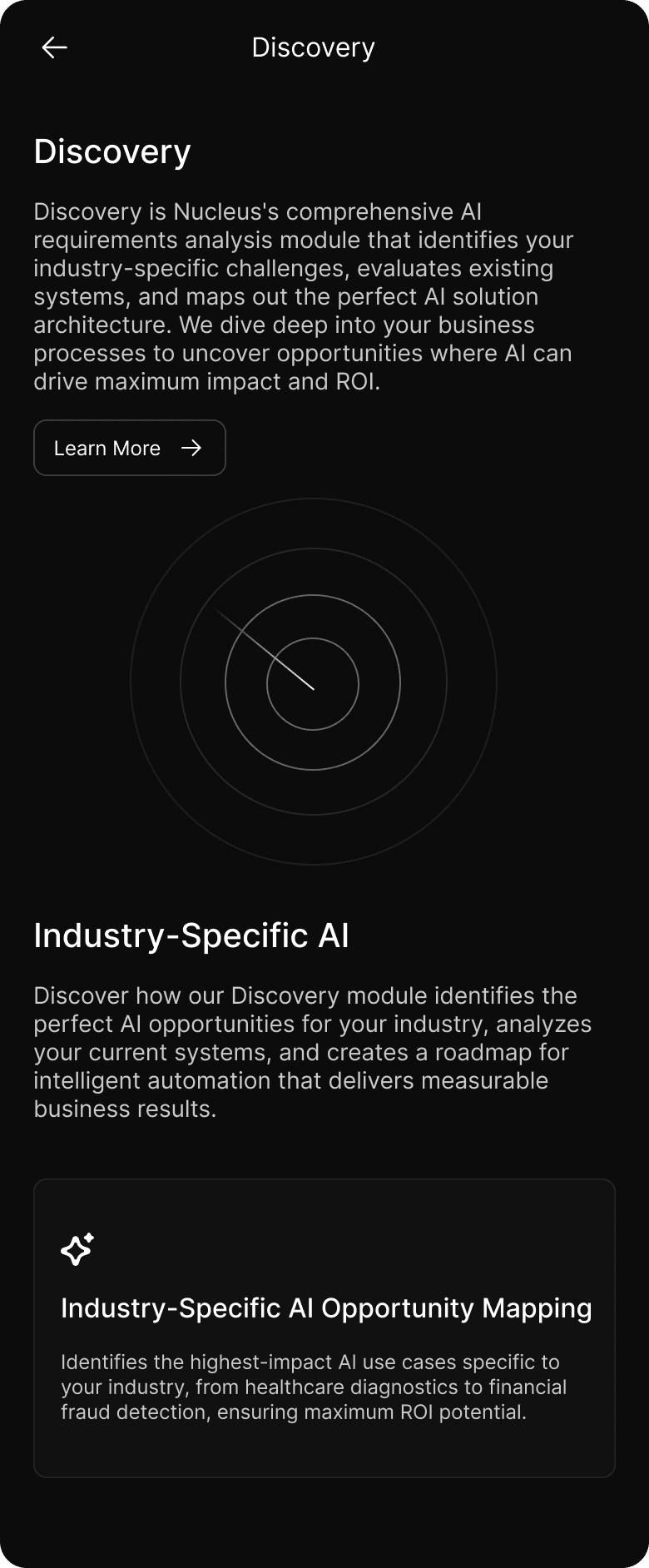
A seamless companion to the Nucleus dashboard — enabling users to manage tasks, monitor workflows, and interact with the AI assistant from anywhere.
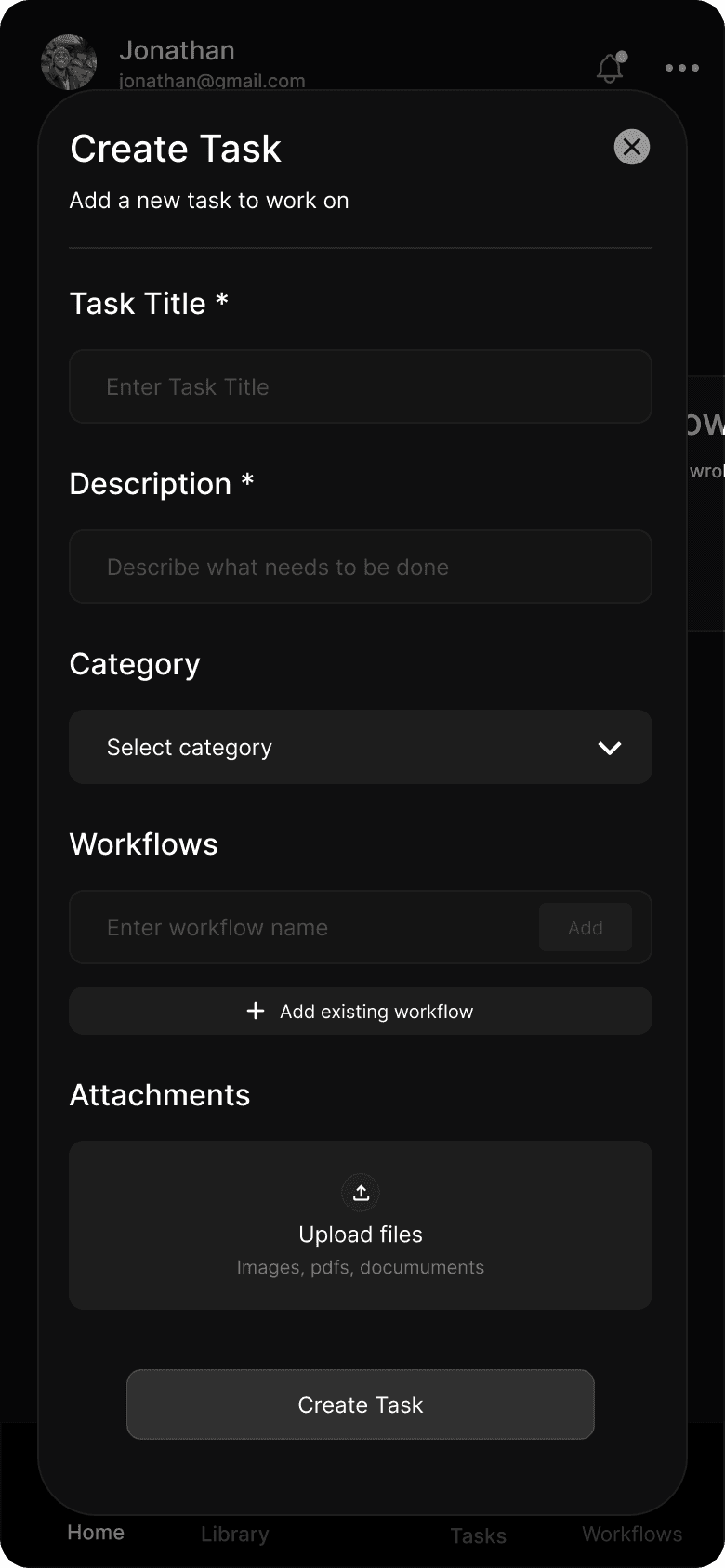
The app allows to quickly approve pending tasks, monitor real-time workflow executions, and interact with your AI assistant through chat or voice commands. The mobile experience is designed for speed and efficiency giving you the essential controls without the complexity.
Manage data sources, trigger automations, review activity logs, and receive instant notifications when critical events occur. The avatar mini-agent provides personalized assistance, making complex operations as simple as a conversation.